Wood has been a cornerstone of human civilization for centuries, providing materials for construction, furniture, tools, and countless other applications. Yet, despite its widespread use, one pressing issue often goes unnoticed: the management of wood waste. Whether it comes from manufacturing processes, construction sites, or household projects, wood waste has the potential to harm the environment if not properly handled.
Understanding its impacts and exploring sustainable solutions is essential for both businesses and individuals alike.
The Scope of Wood Waste
Every year, millions of tons of wood are discarded globally. In construction, leftover planks, offcuts, and sawdust often end up in landfills. In manufacturing, wood byproducts from furniture and cabinetry production can accumulate quickly. Even in homes, small projects like renovations or DIY furniture can generate significant amounts of scrap wood. Left unmanaged, this waste not only consumes valuable landfill space but also contributes to greenhouse gas emissions as it decomposes, releasing carbon dioxide and methane into the atmosphere.
The environmental cost of wood waste is compounded by the fact that wood is often treated with chemicals. Painted, stained, or pressure-treated wood cannot decompose safely and may leach harmful substances into the soil and water. Therefore, effective management is not only about reducing waste but also about preventing pollution.
Benefits of Proper Wood Waste Management
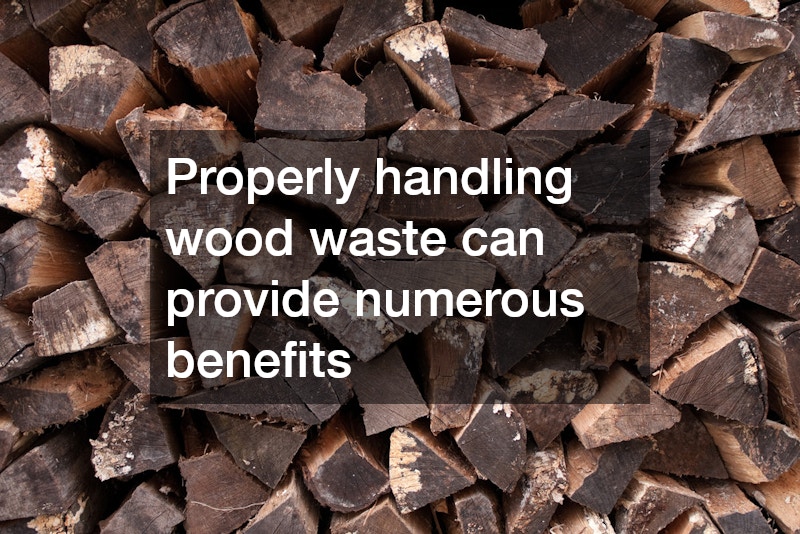
Properly handling wood waste can provide numerous benefits. Recycling and repurposing wood reduces the need to harvest new timber, conserving forests and promoting biodiversity. When wood is reused in furniture, flooring, or other products, it extends the life of the material and minimizes environmental impact. Composting untreated wood or converting it into mulch can enrich soil and support sustainable landscaping practices.
Moreover, businesses that implement effective wood waste management strategies can save money. By turning scraps into usable products or selling them to companies that specialize in recycling, manufacturers can offset disposal costs. Construction firms can adopt modular design practices to reduce offcuts, and homeowners can repurpose leftover wood for small projects, all contributing to both financial and environmental gains.
Practical Strategies for Managing Wood Waste
There are several practical ways to manage wood waste sustainably. One of the simplest methods is reuse. Wood offcuts can be transformed into smaller furniture pieces, decorative items, or even community art projects. Pallets and crates, often discarded after a single use, can be refurbished into shelving, garden beds, or flooring materials. Repurposing extends the material’s lifecycle and keeps it out of landfills.
Recycling is another effective strategy. Wood can be chipped, shredded, or ground into mulch, particleboard, or biofuel. Many municipalities and private companies offer wood recycling services, making it easier for individuals and businesses to divert waste from landfills. In industrial settings, sawdust and shavings can be collected for use in animal bedding, composite materials, or energy production.
For untreated wood, composting is an option. Shredded wood can be mixed with organic matter to create nutrient-rich compost that improves soil health. However, treated or chemically processed wood should never be composted, as it can release toxic substances.
Innovations in Wood Waste Utilization
Advances in technology have opened new avenues for wood waste management. Biomass energy plants, for instance, can convert wood byproducts into heat and electricity, providing a renewable energy source while reducing waste. Some companies are exploring ways to create biodegradable packaging materials from wood fibers, offering an eco-friendly alternative to plastics. Even 3D printing is now using recycled wood composites to produce sustainable building components.
Communities are also finding innovative ways to reduce wood waste. “Tool libraries” and community workshops allow people to share materials and resources, decreasing the need for new purchases. Upcycling initiatives encourage creative reuse, turning discarded wood into art, furniture, or functional household items. These efforts not only manage waste but also promote environmental awareness and resourcefulness.
The Role of Policy and Education
Government policies and regulations play a crucial role in promoting sustainable wood waste management. Incentives for recycling, restrictions on landfill disposal of treated wood, and standards for sustainable forestry can all drive positive change. Additionally, education is key. Homeowners, contractors, and manufacturers must understand the environmental impacts of wood waste and the options available to reduce it.
Workshops, online resources, and local initiatives can teach individuals how to repurpose or recycle wood effectively. Schools and community centers can integrate sustainability education into their programs, inspiring the next generation to value resource conservation. By combining policy, education, and innovation, society can tackle wood waste more effectively.
Managing wood waste is more than a practical concern—it is an environmental imperative. From sawdust to large planks, every piece of discarded wood has the potential to impact our planet. By adopting strategies such as reuse, recycling, composting, and embracing innovative technologies, we can reduce the environmental footprint of wood products. Governments, businesses, and individuals all have a role to play in this effort, ensuring that wood serves its purpose efficiently and sustainably.
As awareness grows and more solutions emerge, the transformation of wood waste from a problem into a resource becomes increasingly achievable. Through responsible management, we can move toward a world where sustainability is built into every board, beam, and piece of sawdust.