In industries where flammable materials and hazardous environments are commonplace, ensuring safety is paramount. One significant component of maintaining safety in such environments is the use of intrinsically safe barriers. These devices play a crucial role in preventing potential explosions and ensuring that electrical equipment used in hazardous areas doesn’t become a source of ignition. Understanding what intrinsically safe barriers are, how they work, and their advantages can help organizations enhance safety protocols while maintaining operational efficiency.
Understanding Intrinsically Safe Barriers
Intrinsically safe barriers are devices designed to limit the amount of energy available for ignition from electrical equipment. They are essential for any system operating in explosive atmospheres, such as oil and gas, chemical processing, or even grain handling. The primary function of these barriers is to ensure that any fault on the field device side does not lead to an ignition source. This is achieved by preventing excessive current or voltage from reaching the hazardous area. In short, these devices protect both personnel and equipment from catastrophic failures by establishing a safe operational envelope.
How Do Intrinsically Safe Barriers Work?
Intrinsically safe barriers operate on the principle of energy limitation. They reduce the available electrical energy to the connected devices to a level that cannot cause ignition. The barriers are designed to isolate the hazardous areas from the safe areas in which control equipment generally resides. They achieve this by using isolation techniques, resistive components, and various forms of energy conversion to manage the voltage and current levels. This careful management of electrical energy ensures that faults or anomalies in the system do not translate into flames or sparks that could ignite hazardous materials.
Applications of Intrinsically Safe Barriers
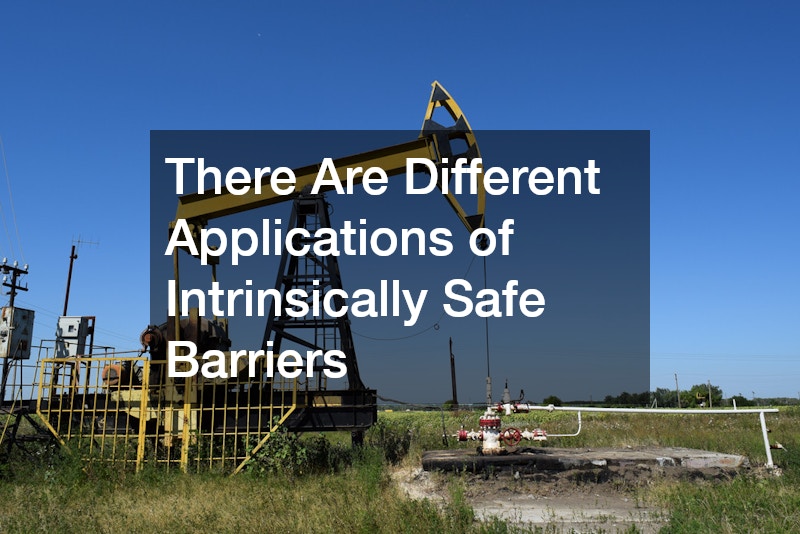
One of the most common applications of intrinsically safe barriers is within the oil and gas industry. Here, equipment is often required to operate in extremely volatile environments where gas leaks are a significant concern. Intrinsically safe barriers ensure that devices such as sensors, transmitters, and alarms, which are used in these zones, remain safe during their operation. Additionally, these barriers are also prevalent in the pharmaceutical industry, where controlled environments must be maintained to prevent contamination, as well as in chemical manufacturing where explosive vapors can easily be present. In all these cases, the intrinsic safety of the barriers is critical to the overall safety management of the operation.
Advantages of Using Intrinsically Safe Barriers
Implementing intrinsically safe barriers carries several advantages for organizations that operate in hazardous conditions. Firstly, these barriers improve the overall safety of operations and significantly reduce the risk of catastrophic incidents due to explosions. Secondly, they offer flexibility since devices in non-hazardous areas can legally interface with those in hazardous areas, thereby simplifying design and permitting processes. Additionally, intrinsically safe systems often require less rigorous protective measures than non-intrinsically safe systems, which can lead to lower overall project and installation costs. Furthermore, the reliability of these barriers contributes to operational uptime, allowing businesses to run more efficiently and effectively.
Choosing the Right Intrinsically Safe Barriers
When selecting intrinsically safe barriers, it’s crucial to consider several factors, including the extent of risk in the operating environment, the specific devices that will be connected, and regulatory requirements. Choosing barriers that meet the appropriate IECEx or ATEX certification standards is essential for compliance and safety assurance. Additionally, organizations should evaluate the longevity and maintenance requirements of the barriers. Quality manufacturing and effective warranties will contribute to the overall reliability and cost-effectiveness of the safety systems in place. Consulting with experts in intrinsically safe technology can significantly simplify the selection process and enhance the safety profile of your operations.
In summary, intrinsically safe barriers are essential safety components in environments where flammable materials are present. By limiting the electrical energy that can ignite such materials, they significantly enhance workplace safety and operational efficiency. Understanding how these barriers operate, their various applications, and their advantages is crucial for organizations striving to maintain safety in potentially hazardous environments. Whether in oil and gas, pharmaceuticals, or chemical handling, intrinsically safe barriers have proven to be reliable and effective safeguards. Investing in the right intrinsically safe barriers is not just a regulatory requirement; it is also a commitment to the safety of personnel and the integrity of operations.