
If you have ever wondered why newer houses seem to shrug off storms, pests, and decades of wear better than homes built a generation ago, the answer lies in what they are made of. Builders today have access to materials engineered for strength, moisture resistance, and longevity that simply did not exist when your grandparents bought their first house. Understanding these advances can help you make smarter choices whether you are buying, renovating, or building from scratch. This article breaks down the specific innovations behind today’s more durable homes and what they mean for your investment.
Advanced Framing and Structural Components
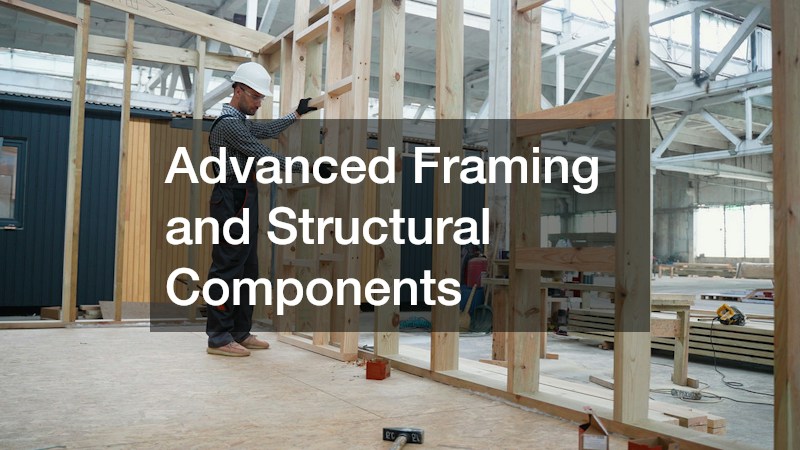
The skeleton of a home determines how well it holds up over time, and framing materials have changed dramatically. Engineered lumber, steel studs, and laminated beams now offer more consistent strength than traditional cut lumber, which was prone to warping, splitting, and uneven grain. These engineered products are manufactured under strict quality control, so builders can count on predictable performance across an entire structure.
This consistency matters because a home is only as strong as its weakest structural element. Engineered framing resists shrinkage and twisting as it ages, which reduces cracks in drywall and misaligned doors and windows years down the road. It also allows for longer spans and open floor plans without sacrificing structural integrity.
- Engineered wood beams resist warping better than solid timber
- Steel framing is immune to termites and rot
- Laminated veneer lumber provides uniform strength throughout
- Advanced connectors and fasteners reduce structural movement over time
Weatherproof Siding and Exterior Cladding
Exterior siding takes the brunt of sun, rain, wind, and temperature swings, so its durability directly affects how long a home’s shell lasts. Fiber cement siding, for example, resists rot, insects, and fire far better than older wood siding options, while also holding paint longer. Vinyl and composite products have similarly improved, with UV-resistant formulations that prevent the fading and brittleness that plagued earlier versions.
Manufacturers have also gotten better at sealing and finishing these materials at the factory level, which reduces the chances of moisture creeping behind panels. This factory-level precision is part of a broader shift in how building products are produced, with cutting edge manufacturing techniques allowing tighter tolerances and more reliable weatherproofing than materials cut and finished on site. The result is cladding that can last several decades with minimal maintenance.
- Fiber cement siding resists fire, rot, and pests
- Modern vinyl siding includes UV stabilizers to prevent fading
- Factory-applied finishes create more even, durable coatings
- Composite materials combine wood fibers with polymers for strength
Roofing Systems Built for Longer Service Life
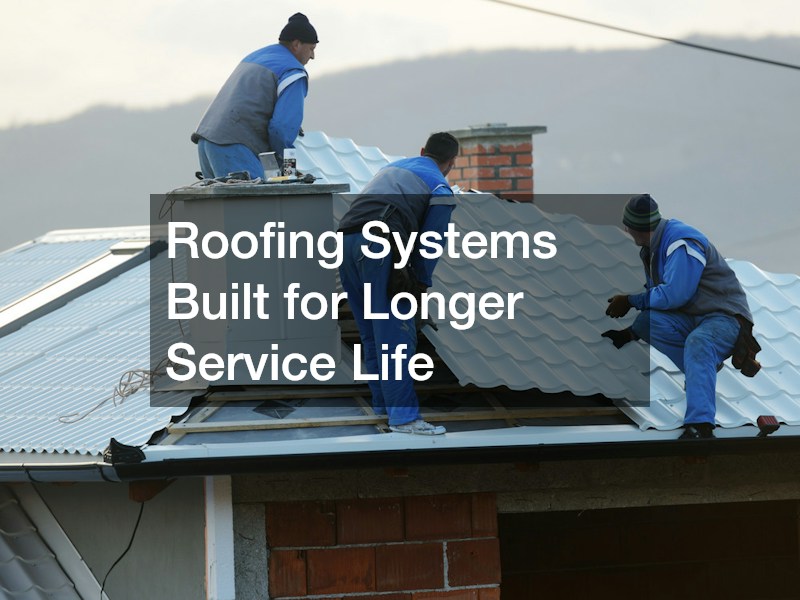
Roofs are one of the most exposed parts of a home, and the materials used to build them have improved substantially in recent years. Asphalt shingles now come with algae-resistant granules and stronger adhesive strips, extending their typical lifespan well beyond older versions. For homeowners wanting even greater durability, metal roofing options have become increasingly popular because they handle extreme weather and temperature changes without cracking or deteriorating.
One component gaining attention among builders and homeowners alike is roof metal decking, which provides a sturdy, fire-resistant base layer beneath the visible roofing material. This decking adds structural rigidity and helps roofs better withstand high winds and heavy snow loads compared to older plywood-only systems. Combined with better underlayment and ventilation designs, modern roofing assemblies work together as a system rather than a single layer trying to do all the work.
- Algae-resistant shingles reduce staining and degradation
- Metal roofing can last 40 to 70 years with minimal upkeep
- Reinforced decking improves resistance to wind uplift
- Improved underlayment reduces moisture infiltration
Moisture Barriers and Foundation Protection
Water intrusion is one of the leading causes of long-term home damage, and modern moisture management systems have made homes far more resilient. House wraps and vapor barriers now use breathable membranes that block liquid water while still allowing trapped moisture vapor to escape, preventing mold and wood rot. Foundation waterproofing has also advanced, with polymer-based coatings and drainage boards replacing older tar-based methods that tended to crack and fail within a decade or two.
These improvements matter most in regions with heavy rainfall or freeze-thaw cycles, where water can quickly find its way into vulnerable areas of a home. Builders now often pair these barriers with improved grading and drainage planning to direct water away from the foundation before it becomes a problem. The combination of better materials and smarter installation techniques has meaningfully reduced the frequency of basement leaks and structural water damage.
- Breathable house wraps prevent trapped moisture while blocking rain
- Polymer foundation coatings resist cracking better than tar-based products
- Drainage boards channel water away from basement walls
- Improved sealants close gaps around windows and doors more effectively
Energy Efficient Insulation and Window Technology
Insulation and window materials have evolved to do more than just save energy, they also protect the structural components around them. Spray foam insulation, for instance, seals gaps tightly enough to prevent condensation buildup inside walls, which helps avoid hidden rot and mold growth. Triple-pane windows with low-emissivity coatings reduce thermal stress on frames, helping them last longer while also keeping interior temperatures more stable.
These upgrades reduce the strain on a home’s other systems, including HVAC equipment, which tends to run more efficiently and last longer when it is not constantly compensating for drafts or heat loss. Over time, this creates a ripple effect where better insulation indirectly extends the life of mechanical systems throughout the house. Homeowners researching renovations often find that upgrading insulation and windows pays off both in comfort and in reduced long-term maintenance costs.
- Spray foam insulation reduces condensation inside wall cavities
- Low-emissivity glass coatings limit UV and heat damage
- Triple-pane windows reduce frame expansion and contraction
- Better-sealed homes place less strain on HVAC systems
Modern building materials have fundamentally changed how long a home can be expected to last, from the framing hidden behind the walls to the roof overhead. As you plan a purchase, renovation, or new build, it is worth asking specifically what materials are being used and how they compare to older standards. Taking the time to understand these details now can save you significant money and stress in the decades ahead. Talk with a trusted contractor or supplier about which materials make the most sense for your climate and budget before you break ground.