
Teeth change dramatically over a lifetime, and so does the care they need to stay healthy. What worked for your smile at age seven won’t necessarily protect it at forty, and the habits you build in your twenties can shape whether you’re dealing with dentures or dental implants decades later. Understanding how dental needs shift with age helps you anticipate problems before they start and know exactly what kind of care to seek at each stage. This guide walks through the major age milestones that call for a change in your dental care approach.
Baby Teeth and Early Childhood Dental Visits
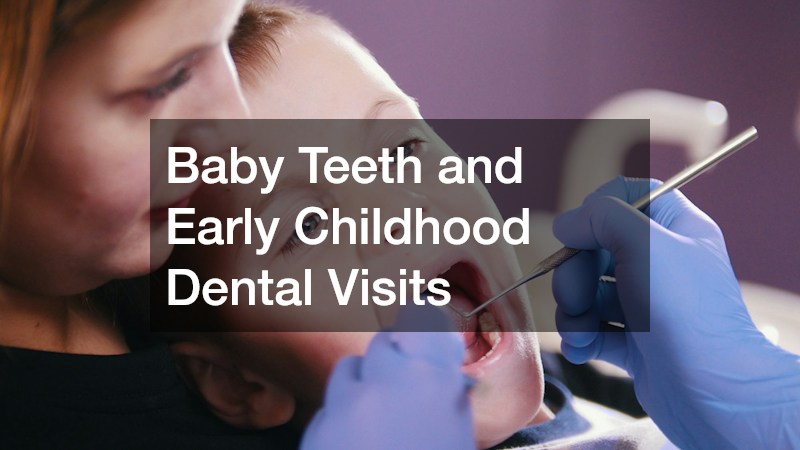
The first tooth usually appears between six and ten months, and that moment marks the start of a lifelong relationship with oral health. Dentists generally recommend scheduling a first appointment within six months of that first tooth coming in, or by the child’s first birthday at the latest. Early visits are less about treatment and more about getting children comfortable in a dental chair and catching issues like baby bottle tooth decay before they spread.
Choosing a kids dentist rather than a general practitioner often makes this stage smoother, since pediatric specialists are trained to manage anxious toddlers and explain procedures in simple, reassuring language. These offices are also designed with shorter wait times and distractions suited to young attention spans, which can make a real difference in whether a child grows up fearing or tolerating dental visits.
- Schedule the first dental visit by age one
- Wipe gums with a soft cloth before teeth even emerge
- Avoid putting a child to bed with a bottle of milk or juice
- Start brushing with a rice-grain amount of fluoride toothpaste once teeth appear
- Watch for white spots on teeth, an early sign of decay
School Age Children and Permanent Tooth Development
Between ages six and twelve, children lose their baby teeth and permanent teeth move in, which creates a window where alignment problems become visible for the first time. This is typically when dentists start screening for overcrowding, crossbites, or jaw growth issues that may need early orthodontic attention. Sealants are often recommended during this stage too, since the new molars have deep grooves that trap food and bacteria.
Sports participation increases around this age, so mouthguards become a practical concern for parents to address. A properly fitted mouthguard protects both the teeth and the jaw during contact activities, and it’s a far cheaper investment than repairing a chipped or knocked-out tooth later. Regular checkups every six months remain important to track how the bite is developing as more permanent teeth settle into place.
- Ask about dental sealants for new molars
- Get a custom or boil-and-bite mouthguard for sports
- Monitor for early orthodontic warning signs like crowding or crossbite
- Keep up biannual cleanings even if teeth look fine
Teenagers and Orthodontic Decision Points
The teenage years are when most orthodontic work happens, largely because the jaw is still growing and teeth respond faster to braces or clear aligners. Wisdom teeth also begin to emerge or show up on X-rays during this period, and dentists often start monitoring whether they’ll need to be removed to prevent crowding or impaction. Hormonal changes during puberty can also make gums more sensitive and prone to inflammation, so reinforcing good brushing and flossing habits matters more than ever.
Diet and lifestyle habits formed as a teenager tend to stick, for better or worse. Sports drinks, energy drinks, and constant snacking expose teeth to more acid and sugar than most teens realize, accelerating enamel wear. Encouraging water as the default drink and limiting between-meal snacking can meaningfully reduce cavity risk through this stage.
- Discuss wisdom teeth monitoring during routine checkups
- Watch for signs of teeth grinding linked to stress
- Limit sugary and acidic drinks that erode enamel
- Reinforce flossing habits as gums become more sensitive
Adults in Their Twenties and Thirties Maintaining Long Term Health
Once a person reaches their twenties, cavities and orthodontic issues often take a back seat to gum health. Gingivitis becomes more common in this stage, especially for people who skip flossing or smoke, and untreated gum inflammation can quietly progress into more serious periodontal disease. This is also the decade when many people first notice teeth shifting slightly, often due to wisdom teeth pressure or simply natural aging of the jaw.
It’s also around this time that people start paying closer attention to how their smile looks, not just how it functions. Whitening, bonding, and veneers become more common requests, and many people consult a cosmetic dentist for the first time to address stains, chips, or gaps that have bothered them for years. These procedures are elective, but they can meaningfully boost confidence without requiring major dental work.
- Keep up with twice-yearly cleanings to catch early gum disease
- Consider a night guard if grinding or clenching develops
- Ask a professional about whitening options rather than relying on store-bought kits
- Watch for bleeding gums, a common early sign of gingivitis
Middle Age Adults Managing Wear and Restoration Needs
By the forties and fifties, decades of chewing, grinding, and small dietary habits start to show. Fillings placed in childhood or young adulthood may begin to crack or wear down, and crowns or bridges often become necessary to restore damaged teeth. Receding gums are also common at this stage, sometimes from years of aggressive brushing, which can expose tooth roots and increase sensitivity to hot and cold foods.
Chronic health conditions that often emerge in middle age, like diabetes or heart disease, have documented links to gum health, making dental checkups an important part of broader health monitoring. Dentists at this stage frequently work alongside physicians to flag symptoms that might indicate issues beyond the mouth. Staying consistent with cleanings becomes less about preventing cavities and more about preserving the teeth and gums you still have.
- Ask about crowns or bridges if old fillings are failing
- Use a soft-bristled toothbrush to protect receding gums
- Mention any chronic health diagnoses to your dentist
- Treat tooth sensitivity early rather than ignoring it
Older Adults and Decisions Around Tooth Replacement
In the senior years, tooth loss becomes a more realistic concern, often driven by a combination of bone density loss, long-term gum disease, or simply decades of wear. Dentures, bridges, and dental implants all become relevant conversations at this stage, each with different costs, maintenance needs, and comfort levels. Dry mouth, often a side effect of medications common in older age, also increases cavity risk because saliva plays a major role in neutralizing bacteria.
Regular checkups remain important even for those wearing dentures or implants, since gums and remaining natural teeth still need monitoring. Oral cancer screening also becomes a bigger priority in this age group, as risk increases with age. Staying proactive rather than reactive tends to preserve both comfort and function for longer.
- Discuss dry mouth symptoms, as they raise cavity risk significantly
- Compare dentures, bridges, and implants based on lifestyle and budget
- Keep attending checkups even after losing natural teeth
- Ask about oral cancer screenings during routine visits
Dental care isn’t a one-size-fits-all routine; it evolves as your body, habits, and risks change with age. Paying attention to these shifts, rather than waiting for pain or visible problems, puts you in a much stronger position to keep your natural teeth longer and avoid costly procedures down the road. Whatever stage you’re at, scheduling a checkup to reassess your current needs is a simple next step worth taking today.