
Key Takeaways
- Home renovation priorities are shifting from aesthetics alone to a stronger focus on functionality, comfort, and long-term usability.
- Energy efficiency and sustainable materials are now central considerations, driven by rising utility costs and environmental awareness.
- Smart home technology is becoming standard in modern renovations, improving convenience, security, and energy management.
- Flexible living spaces, including multi-purpose rooms and adaptable layouts, are increasingly important due to hybrid work and changing lifestyles.
- Kitchens and bathrooms remain top renovation priorities, evolving into multifunctional and wellness-oriented spaces.
- Lighting, storage, and material selection are key design factors that significantly influence both daily living and long-term property value.
- Proper planning, professional coordination, and project management are essential to ensure successful and cost-effective renovation outcomes.
Home renovation has evolved far beyond simple aesthetic upgrades or occasional repairs. Today, it reflects deeper lifestyle shifts, financial planning, and long-term property value strategies. Homeowners are no longer just asking how to make a space look better—they are asking how to make it work better, feel better, and last longer.
Modern renovation decisions are shaped by changing family needs, remote work setups, rising energy costs, and increasing awareness of sustainability. As a result, what used to be a purely design-focused process has now become a more strategic and functional approach to home improvement.
In this article, we explore the most important home renovation trends that are shaping how homeowners plan, prioritize, and execute their projects today.
Why are Home Renovation Trends Changing So Fast?
One of the most noticeable shifts in recent years is the speed at which renovation preferences evolve. Unlike before, where design trends lasted for a decade or more, modern influences such as social media, technology, and environmental concerns are constantly reshaping homeowner expectations.
Several factors are driving this change:
- Remote and hybrid work setups that increase the demand for home offices
- Rising utility costs that push energy-efficient upgrades
- Social media inspiration that influences design choices instantly
- Increased focus on long-term property value
- Greater awareness of sustainability and wellness
Homeowners now view renovations as a way to adapt their homes to changing lifestyles rather than simply updating appearances.
Are Homeowners Prioritizing Function Over Aesthetics?
A major shift in modern renovation thinking is the growing emphasis on functionality. While aesthetics remain important, they are no longer the sole priority. Homeowners want spaces that are practical, flexible, and easy to maintain.
Functional upgrades commonly include:
- Multi-purpose rooms that adapt to work, study, or relaxation
- Hidden storage solutions to reduce clutter
- Durable materials that require minimal upkeep
- Flexible furniture layouts for changing needs
This shift reflects a broader lifestyle change where homes must serve multiple roles throughout the day. Comfort and efficiency are now just as important as visual appeal.
Sustainability and Eco-Friendly Living in Renovations
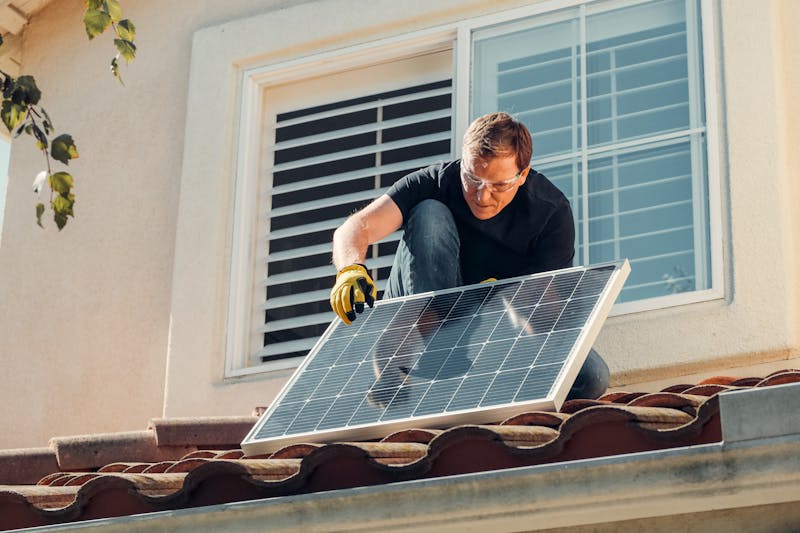
Sustainability is no longer a niche concern—it has become a central part of renovation planning. Homeowners are increasingly conscious of their environmental footprint and long-term energy consumption.
Popular eco-friendly upgrades include:
- Solar panel installations
- Energy-efficient windows and insulation
- Water-saving plumbing fixtures
- Recycled or responsibly sourced materials
- LED lighting systems throughout the home
Interestingly, sustainability is not just about environmental responsibility. It also provides financial benefits through reduced utility bills and increased property value over time.
In many cases, these upgrades are seen as essential investments rather than optional improvements.
Can Home Renovations Actually Improve Daily Life?
Yes, and this is one of the strongest reasons behind the current renovation boom. Thoughtful upgrades directly impact comfort, productivity, and mental well-being.
In fact, if you’re like many homeowners now, you might focus on projects that aim to improve your living environment and quality of life through better lighting, airflow, layout efficiency, and noise control.
Examples include:
- Adding larger windows for natural light
- Improving ventilation systems for better air quality
- Creating quiet zones for work or study
- Reducing visual clutter through smart storage
These improvements may seem simple, but they significantly enhance how people experience their homes on a daily basis.
Smart Homes: Why Technology is Now Essential
Technology integration is one of the fastest-growing home renovation trends. Smart homes are no longer considered luxury projects—they are becoming standard expectations.
Common smart upgrades include:
- Voice-controlled lighting and appliances
- Smart thermostats for energy efficiency
- Security systems with remote monitoring
- Automated blinds and climate control
- Integrated home entertainment systems
The appeal lies in convenience, efficiency, and control. Homeowners can now manage their entire living environment through mobile devices, making everyday living smoother and more responsive.
Open Concept or Defined Spaces: What Works Better Today?
For years, open concept living dominated renovation trends. However, recent shifts show a renewed interest in defined spaces, especially after the rise of remote work.
Homeowners are now balancing openness with separation.
Key design considerations include:
- Creating semi-open layouts using partitions or sliding doors
- Designing soundproof work areas
- Maintaining flow while ensuring privacy
- Using furniture to define functional zones
The goal is no longer just openness, but balance—spaces that feel connected yet functional.
Kitchens: Why are They Becoming the Heart of the Home?
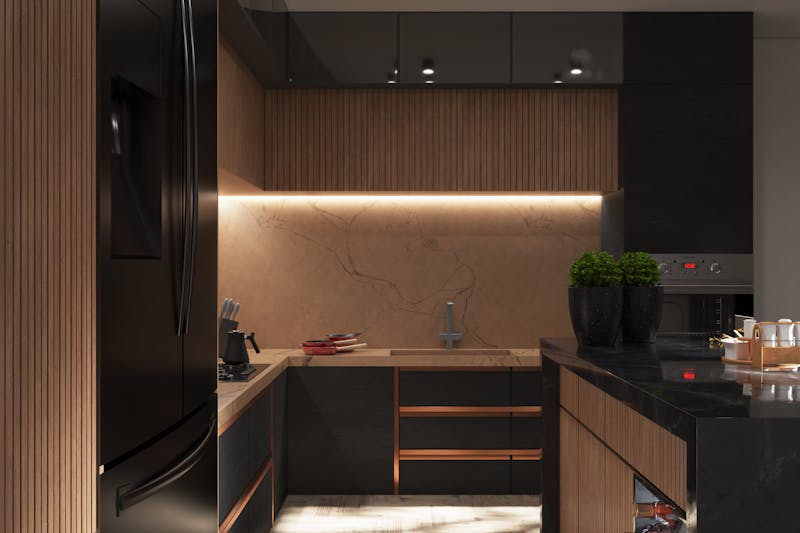
Kitchens have transformed into multifunctional hubs for cooking, socializing, and even working. As a result, kitchen renovations are among the most prioritized projects today.
Current kitchen renovation trends include:
- Large central islands for cooking and gathering
- Smart appliances for efficiency
- Hidden storage systems
- Minimalist cabinet designs
- Durable yet stylish countertop materials
Families are investing more in kitchens because they serve as the central activity zone in the home. A well-designed kitchen enhances both daily living and property value.
Bathroom Renovations Focused on Wellness
Bathrooms are no longer just functional spaces—they are becoming personal wellness zones. Homeowners are investing in designs that promote relaxation and comfort.
Popular upgrades include:
- Rainfall showers and spa-like features
- Heated flooring systems
- Freestanding bathtubs
- Ambient lighting for relaxation
- Improved ventilation systems
These changes reflect a growing interest in self-care at home. A well-designed bathroom can serve as a private retreat from daily stress.
Why Outdoor Living Spaces Are Gaining Popularity
Outdoor areas are now seen as extensions of indoor living spaces. This trend has grown significantly as homeowners look for more usable space without expanding their homes.
Common outdoor renovations include:
- Covered patios and verandas
- Outdoor kitchens and dining areas
- Landscaping with low-maintenance plants
- Fire pits and seating areas
- Garden offices or studios
Outdoor living spaces offer additional functionality while increasing property appeal. They also support social gatherings and relaxation without leaving home.
How Can Homeowners Renovate on a Budget Without Sacrificing Quality?
Not all renovation projects require large budgets. Many homeowners are now adopting cost-effective strategies to maximize value without overspending.
Smart budget renovation tips include:
- Prioritizing high-impact areas first
- Repainting instead of full replacements
- Refinishing existing furniture or fixtures
- Using modular or DIY-friendly solutions
- Comparing multiple supplier quotes
Budget-conscious renovations focus on smart allocation rather than cutting corners. Even small changes can create significant improvements when planned correctly.
The Importance of Skilled Expertise in Renovation Projects
As renovation projects become more complex, professional expertise is increasingly important. Structural changes, electrical work, plumbing upgrades, and design planning all require careful coordination.
This is where renovation contractors play a crucial role, ensuring that projects are completed safely, efficiently, and according to standards. Their expertise helps prevent costly mistakes and ensures that each stage of the renovation is properly executed.
Homeowners also recognize the importance of planning ahead, as large-scale improvements often require coordination between multiple specialists.
Why Choosing the Right Experts Matters More Than Ever
Finding reliable professionals has become a critical step in any renovation journey. With so many service providers available, selecting the right team can significantly influence the outcome of a project.
Careful consideration includes:
- Checking credentials and experience
- Reviewing past projects and portfolios
- Understanding pricing structures clearly
- Ensuring clear communication and planning
- Evaluating reliability and timelines
In many cases, finding the right home improvement professionals determines whether a renovation project runs smoothly or becomes stressful and costly.
A well-chosen team ensures better results, fewer delays, and a more satisfying overall experience.
Smart Planning for Long-Term Home Value
Modern homeowners are increasingly thinking beyond immediate improvements. Renovations are now seen as long-term investments that can significantly impact resale value.
Key planning considerations include:
- Choosing timeless rather than overly trendy designs
- Investing in durable materials
- Prioritizing energy-efficient upgrades
- Maintaining flexible room usage
- Enhancing curb appeal
This strategic mindset ensures that renovation efforts continue to provide benefits for years, not just at the moment of completion.
The Rise of Personalized Home Design
Another major trend is personalization. Homeowners no longer want generic designs—they want spaces that reflect their identity, lifestyle, and daily habits.
Personalization includes:
- Custom-built storage solutions
- Unique color palettes
- Bespoke furniture designs
- Tailored lighting setups
- Flexible room layouts
This shift highlights a deeper desire for emotional connection with living spaces. Homes are becoming more than structures—they are reflections of personality and lifestyle.
How Lighting Design is Influencing Modern Renovation Choices
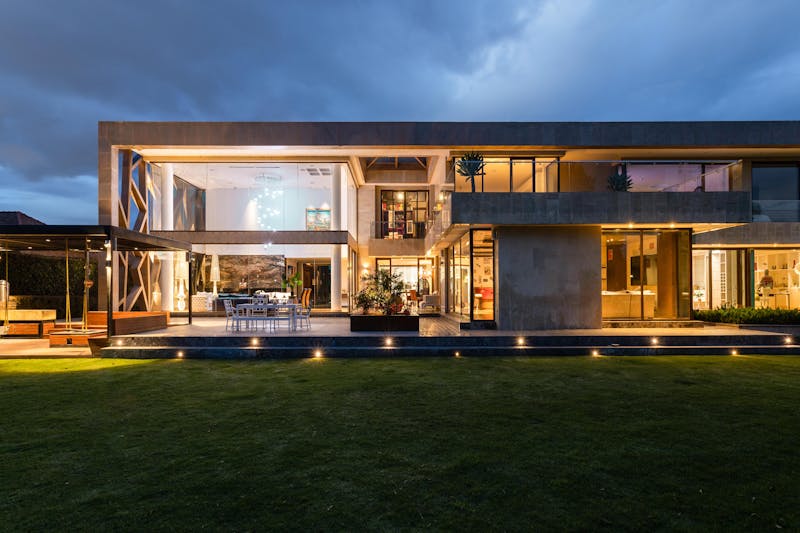
Lighting has become one of the most influential elements in modern home renovation planning. Homeowners are no longer treating lighting as an afterthought; instead, it is now a core design and functionality feature that shapes mood, usability, and even perceived space size.
Today’s lighting strategies focus on layering different types of illumination to create flexible environments. Common approaches include:
- Ambient lighting for overall brightness
- Task lighting for focused activities like cooking or reading
- Accent lighting to highlight design features
- Natural lighting maximization through larger windows or skylights
Another growing trend is the use of smart lighting systems that allow homeowners to adjust brightness and color temperature depending on the time of day or activity. Warm lighting is often used in relaxation spaces, while cooler tones are preferred in work areas.
Beyond aesthetics, lighting also affects mental well-being and productivity. Poor lighting can make spaces feel smaller and more stressful, while well-planned lighting can significantly improve comfort and usability. As a result, lighting design is now considered a foundational part of renovation planning rather than just a finishing touch.
Why Material Selection is Becoming a Long-Term Investment Decision
Material selection in home renovation has shifted from being purely stylistic to being a long-term financial and maintenance decision. Homeowners are now evaluating durability, maintenance requirements, and lifecycle costs before choosing finishes and fixtures.
Instead of focusing solely on appearance, many are prioritizing materials that offer both beauty and resilience. Popular choices include:
- Quartz countertops for durability and low maintenance
- Engineered wood flooring for stability and cost efficiency
- Fiber cement siding for weather resistance
- Porcelain tiles for high-traffic areas
- Stainless steel fixtures for longevity
This shift reflects a broader mindset change: renovations are no longer short-term aesthetic updates but long-term investments in property performance. Homeowners are increasingly asking how materials will perform in five, ten, or even twenty years.
Additionally, sustainability plays a major role in material selection. Recycled, locally sourced, and environmentally friendly materials are gaining popularity as homeowners aim to reduce environmental impact while maintaining design quality.
Are Home Offices Still Relevant in Today’s Renovation Planning?
Despite the gradual return to office spaces for some industries, home offices remain a key feature in renovation planning. The shift toward hybrid and remote work has permanently changed how homeowners use their living spaces.
Modern home office designs are becoming more sophisticated and purpose-driven. Instead of makeshift desks in bedrooms or living rooms, homeowners are investing in dedicated work environments that support productivity and comfort.
Key features include:
- Soundproofing for better focus during meetings
- Ergonomic furniture to support long work hours
- Built-in storage for organized workflows
- Strong lighting setups for video conferencing
- High-speed internet integration
Some homeowners are even converting spare rooms, basements, or attic spaces into fully functional offices. Others are creating flexible work zones that can be hidden or transformed when not in use.
The continued importance of remote work ensures that home office design will remain a major factor in renovation decisions for years to come.
The Role of Storage Innovation in Modern Home Design
Storage solutions have become one of the most important yet underrated aspects of home renovation. As homes become more multifunctional, the need for efficient and innovative storage has grown significantly.
Homeowners are moving away from bulky cabinets and instead adopting smarter, space-saving solutions. These include:
- Built-in wall storage systems
- Under-stair storage compartments
- Multi-functional furniture with hidden storage
- Ceiling-height cabinetry for vertical space utilization
- Sliding panels and concealed storage walls
The goal is not just to store items but to reduce visual clutter and create cleaner, more organized living spaces. This is especially important in smaller homes and urban apartments where space is limited.
Good storage design also improves functionality. When everything has a designated place, daily routines become smoother and more efficient. It also enhances the overall aesthetic of the home by creating a more streamlined and minimal appearance.
Ultimately, storage innovation is no longer optional—it is a core component of effective modern renovation planning.
How Renovation Timelines and Project Management Affect Outcomes
One of the most overlooked aspects of home renovation is project management and timeline planning. Even well-designed projects can face delays, cost overruns, and quality issues if not properly managed.
Effective renovation planning involves several key stages:
- Initial planning and design phase
Clear goals, budgeting, and design concepts are established before work begins. - Scheduling and coordination
Tasks are sequenced logically to avoid delays between contractors and suppliers. - Material procurement
Ensuring materials are available on time prevents unnecessary downtime. - Execution and supervision
Regular monitoring ensures work is completed according to standards. - Final inspection and adjustments
Any defects or unfinished work are addressed before project completion.
Poor timeline management can lead to rushed work, increased costs, and lower-quality results. On the other hand, well-structured planning ensures smoother execution and better overall satisfaction.
Homeowners are increasingly recognizing that successful renovation is not just about design—it is also about disciplined coordination and execution.
Why Future-Ready Renovations Focus on Flexibility and Adaptability
As lifestyles continue to evolve, one of the strongest emerging themes in renovation planning is adaptability. Homeowners are no longer designing spaces for a single purpose; instead, they are building homes that can evolve with changing needs.
Flexible design strategies include:
- Convertible rooms that serve multiple functions
- Modular furniture that can be rearranged easily
- Movable partitions instead of fixed walls
- Adjustable lighting and smart environmental controls
- Open layouts that can be reconfigured over time
This approach ensures that homes remain functional even as family structures, work habits, and lifestyle preferences change.
Flexibility also protects long-term investment value. A home that can adapt to different uses is more appealing to future buyers and reduces the need for major renovations later.
In many ways, adaptability is becoming the defining principle of modern renovation thinking, bridging design, functionality, and long-term practicality into one cohesive approach.
How Renovation Impacts Emotional Well-Being
Beyond physical improvements, renovation projects also have a psychological impact. A well-designed home can reduce stress, improve focus, and increase overall satisfaction.
Key emotional benefits include:
- A sense of control over living space
- Reduced clutter and visual stress
- Improved comfort and relaxation
- Enhanced productivity in work areas
Thoughtful renovations contribute to mental clarity and emotional balance, making homes more supportive environments for daily life.
Conclusion
Home renovation today is no longer just about upgrading appearances—it is about reshaping how people live, work, and feel in their spaces. From sustainability and smart technology to wellness-focused design and functional layouts, modern home renovation trends reflect a deeper understanding of lifestyle needs.
Homeowners are prioritizing flexibility, comfort, efficiency, and long-term value more than ever before. Whether it is a full-scale remodel or a small improvement project, each decision now plays a role in shaping a more practical and enjoyable living environment.
As homes continue to evolve into multifunctional spaces, thoughtful planning and informed decisions will remain essential in achieving lasting results that truly enhance everyday living.