Major home renovations are exciting, but they can also be overwhelming. When walls are coming down, systems are being upgraded, and multiple contractors are involved, it’s easy to lose track of what should happen first. Many renovation headaches don’t come from poor workmanship—they come from doing the right work at the wrong time.
Repair order matters because each phase of a renovation builds on the one before it. Structural work affects systems. Systems affect finishes. Exterior conditions influence interior performance. When repairs are done out of sequence, homeowners often face delays, budget overruns, and the frustration of tearing out newly completed work to fix something that should have been addressed earlier.
A smart renovation follows a clear order of operations: start with safety and site conditions, secure the structure, upgrade core systems, and only then move on to finishes. The sections below walk through that process step by step, helping you understand what to repair first—and why.
Start With Safety and Site Conditions Before Any Construction Begins
Before any renovation work begins, the property itself must be safe, stable, and accessible for crews, equipment, and materials. This phase is often underestimated because it doesn’t involve visible upgrades like new rooms or finishes, but it plays a critical role in preventing accidents, delays, and costly complications later in the project. A poorly prepared site can halt construction entirely, even if every other detail is perfectly planned.
Trees are one of the most common—and most overlooked—site challenges during major renovations. Overgrown branches can scrape roofing materials, damage siding, or interfere with scaffolding and ladders. Low-hanging limbs may block crane access or make it impossible for trucks to safely deliver materials. In more serious cases, trees can compromise foundations, damage underground utilities, or create hazards for neighboring properties.
A qualified tree service should be brought in early to assess the health, location, and growth patterns of trees on the property. This evaluation helps determine which trees can be preserved with strategic pruning and which pose a genuine risk to the renovation. Many homeowners assume removal is the only option, but selective trimming often provides a safer work environment while maintaining shade, privacy, and curb appeal.
Tree professionals typically evaluate factors such as:
-
Structural stability and signs of internal decay
-
Proximity to the home, additions, or planned work zones
-
Root spread and its impact on foundations or underground lines
-
Clearance needed for scaffolding, lifts, and heavy equipment
There are situations, however, where involving a tree removal company is the safest and most practical choice. Full removal may be necessary when a tree presents a clear danger or conflicts directly with renovation plans. These situations commonly include:
-
Trees with visible rot, leaning trunks, or storm-related damage
-
Root systems interfering with foundations, sewer lines, or future excavation areas
-
Trees positioned where heavy machinery, dumpsters, or delivery vehicles must operate
-
Trees that pose a safety hazard to workers, pedestrians, or adjacent structures
Addressing tree-related issues early offers several long-term benefits. It minimizes the risk of injuries and property damage, helps contractors work more efficiently, and reduces liability concerns for homeowners. It also prevents costly delays caused by emergency removals once construction is already underway.
By resolving safety and site condition issues at the outset, homeowners create a controlled environment where every subsequent phase of the renovation—from roofing and excavation to exterior and interior work—can proceed smoothly and without unnecessary interruptions.
Address Structural Groundwork and Drainage to Prevent Future Damage
Secure the Building Envelope Before Working Inside
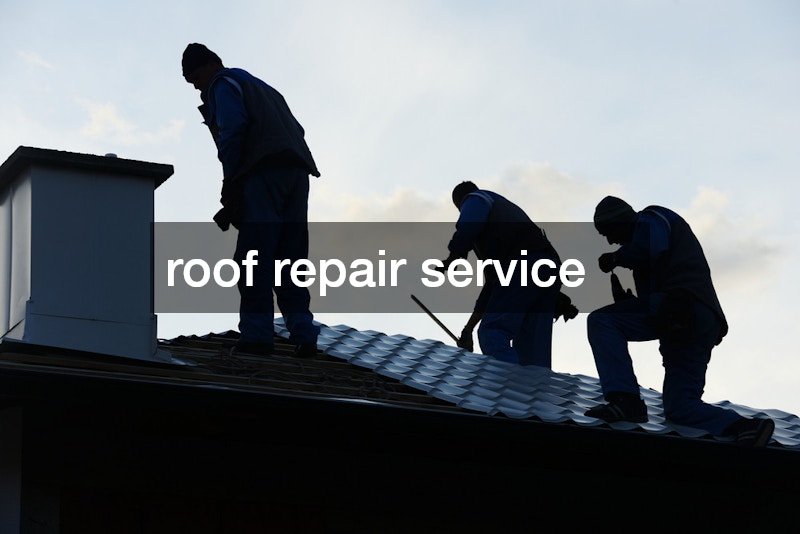
Once the site is prepared and groundwork is complete, the next priority is securing the building envelope—the protective shell of the home that keeps out weather, pests, and unauthorized access. This step is essential before any interior work begins because it prevents damage to both existing and newly installed systems, creating a controlled environment for renovation crews to operate efficiently.
Addressing roof issues is a top priority during this phase. Even small leaks can become major problems once walls are opened and interior finishes are exposed. A professional roof repair service can perform a thorough inspection to identify vulnerabilities that are not always visible from the ground, such as deteriorated flashing, compromised shingles, sagging underlayment, or hidden rot. Repairing these issues early prevents water from infiltrating framing, insulation, drywall, and other interior finishes, which could otherwise lead to mold growth and structural damage.
Other critical reasons to address roofing early include:
-
Preventing water damage to interior finishes and structural elements: Exposed framing, insulation, and drywall are highly susceptible to water damage during renovations if the roof is compromised.
-
Protecting new systems from moisture exposure: Electrical wiring, HVAC ductwork, and plumbing installations can be ruined or compromised if exposed to leaks.
-
Facilitating roof penetrations for vents, skylights, or mechanical systems: Installing vents, chimneys, or duct chases is much easier before interior finishes are completed.
-
Avoiding weather-related delays: Rain or snow can halt interior work if the building envelope is not watertight, causing scheduling issues and increased costs.
In addition to roofing, controlling access and securing the perimeter is crucial. A professional fence company can provide temporary or permanent fencing solutions to:
-
Secure open structures and materials: Protects construction materials, tools, and unfinished areas from damage or theft.
-
Ensure safety for children, pets, and neighbors: Reduces the risk of accidents on a busy construction site.
-
Reduce vandalism or unauthorized access: Prevents damage to valuable equipment and prevents liability issues.
-
Help contractors comply with safety regulations: Many municipalities require protective fencing around active construction sites to meet safety codes.
By completing roofing repairs and installing proper fencing before entering the home with construction crews, homeowners create a secure, dry, and organized work environment. This proactive step not only protects the structure and materials but also ensures that interior renovations can proceed without interruptions caused by weather, safety concerns, or site accessibility issues. Securing the building envelope sets the stage for all subsequent systems work and finishes to be completed efficiently and safely.
Upgrade Electrical Systems Before Walls Are Closed

Electrical work is one of the most important—and most disruptive—parts of a renovation. It should always be completed while walls, ceilings, and floors are open.
Older homes, in particular, may have outdated wiring, insufficient panels, or circuits that can’t support modern electrical demands. Skilled local electricians can assess the entire system and recommend upgrades before finishes go in.
Key electrical considerations during this phase include:
-
Upgrading service panels and breakers
-
Replacing outdated or unsafe wiring
-
Adding outlets, lighting, and dedicated circuits
-
Planning for future needs such as EV chargers or smart systems
Delaying electrical upgrades often leads to:
-
Cutting into new drywall or cabinetry
-
Compromised aesthetics due to surface-mounted solutions
-
Higher labor costs for retrofits
-
Safety risks from overloaded systems
Completing electrical rough-ins early ensures safety, efficiency, and flexibility for the rest of the renovation.
Tackle Plumbing Infrastructure Before Finishes and Fixtures

Plumbing should be addressed immediately after—or alongside—electrical work. Pipes, drains, and venting systems are much easier to modify when walls and floors are already open.
Experienced local plumbers can inspect the existing infrastructure and identify issues such as corrosion, leaks, improper slope, or outdated materials. Even if plumbing appears functional, renovations often change layouts in ways that require adjustments.
Plumbing work during this stage may include:
-
Replacing aging supply and drain lines
-
Relocating pipes for new kitchens or bathrooms
-
Upgrading water pressure or flow capacity
-
Improving venting for code compliance
Handling plumbing early helps homeowners avoid one of the most common renovation regrets: having to remove finished surfaces to fix hidden pipe issues.
Repair or Replace Heating Systems Before Final Interior Work
Heating systems are deeply integrated into a home’s structure. Ductwork, vents, and mechanical components often run behind walls, under floors, or through ceilings—all areas that may be affected during renovation.
Consulting with reputable heating repair companies during the renovation planning phase allows homeowners to evaluate whether repairs or full replacements make the most sense.
This stage is ideal for:
-
Modifying ductwork to accommodate layout changes
-
Ensuring systems are properly sized for renovated spaces
-
Replacing aging equipment before it fails
-
Improving energy efficiency and comfort
Completing heating work before flooring and trim are installed prevents damage to new finishes and ensures the system operates correctly once the home is sealed.
Complete Cooling and Ventilation Work Before Sealing the Home
Cooling and ventilation are just as critical as heating, especially in homes undergoing major layout or insulation changes. Renovations can alter airflow patterns, ceiling heights, and room usage, all of which affect cooling performance.
Scheduling ac repair or upgrades during this phase allows contractors to:
-
Adjust duct layouts for better airflow
-
Address inefficiencies exposed during demolition
-
Improve ventilation in kitchens, bathrooms, and living spaces
-
Ensure compatibility with new insulation and windows
Waiting until after drywall and paint are complete can limit options and reduce system efficiency. Addressing cooling early ensures long-term comfort and lower energy costs.
Final Checks and Trade Coordination Before Cosmetic Upgrades

Before moving on to finishes, it’s critical to pause and verify that all behind-the-scenes work is complete. This step protects the investment you’re about to make in flooring, cabinetry, paint, and trim.
Homeowners should work with contractors to:
-
Confirm all rough-ins are complete and inspected
-
Test electrical, plumbing, heating, and cooling systems
-
Resolve any code or permit issues
-
Walk through the space to identify overlooked details
A coordinated final check prevents the need for destructive fixes later and ensures that cosmetic upgrades can proceed smoothly and confidently.
A successful home renovation isn’t just about what you upgrade—it’s about when you upgrade it. By following a clear order of operations, homeowners can avoid costly mistakes, reduce delays, and protect the quality of their investment.
Starting with safety and site conditions, securing the structure, upgrading essential systems, and finishing with cosmetic improvements creates a renovation process that’s efficient, durable, and far less stressful. Thoughtful planning and proper sequencing turn a complex renovation into a well-managed transformation that pays off for years to come.