
Losing a tooth might seem like a minor cosmetic inconvenience, something to fix eventually or hide with a careful smile. But the truth is far more serious: a single gap in your mouth can trigger a chain reaction affecting your jaw, your other teeth, your digestion, and even your confidence. Understanding what really happens after tooth loss can help you make a smarter, more timely decision about treatment.
This article breaks down the hidden consequences most people never consider until the damage is already done.
Bone Loss Begins Almost Immediately After Extraction
When a tooth is removed or falls out, the jawbone beneath it no longer receives the stimulation it needs from chewing and biting pressure. Without that stimulation, the body starts to reabsorb the bone in that area, a process called resorption. This isn’t a slow, distant threat; it can begin within months of losing a tooth.
Over time, this bone loss changes the shape of your jaw and face, sometimes making people look older than they are. It can also make future restorative work more complicated and expensive if too much bone disappears. This is one of the main reasons dentists encourage patients not to delay replacement options once a tooth is gone.
- Jawbone density can decrease by up to 25 percent within the first year of tooth loss
- Facial structure may begin to sag or collapse inward around the missing tooth
- Bone loss can weaken the foundation needed for future dental work
- Neighboring teeth may lose support as the bone around them shrinks
Shifting Teeth Create a Domino Effect in Your Bite
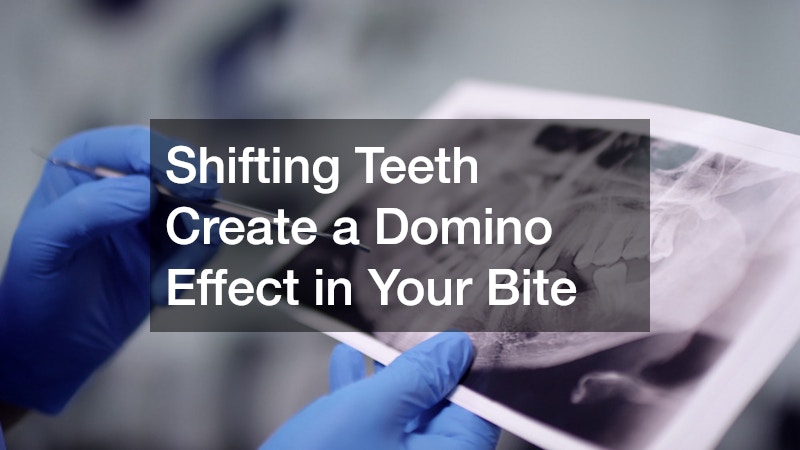
Teeth are not fixed in place forever; they rely on neighboring teeth for stability. When a gap opens up, surrounding teeth naturally drift toward it, tilting or shifting out of their proper alignment. This gradual movement can throw off your entire bite pattern in ways you might not notice until it’s already causing problems.
A misaligned bite can lead to uneven wear on your teeth, jaw discomfort, and even headaches from muscle strain. It also creates new gaps and pockets where food and bacteria can hide, raising the risk of decay and gum disease in teeth that were previously healthy. What starts as one missing tooth can quietly compromise a whole row of them.
- Opposing teeth may overerupt, growing longer since there’s nothing to bite against
- Shifted teeth are harder to clean properly, increasing plaque buildup
- Bite misalignment can strain the jaw joint over time
- Crooked or tilted teeth are more prone to chipping and fracture
Chewing and Digestion Problems Often Go Unnoticed
Many people compensate for a missing tooth by chewing on the opposite side of their mouth without even realizing it. This uneven chewing pattern can lead to muscle fatigue, jaw soreness, and inefficient breakdown of food before it reaches your stomach. Poorly chewed food is harder for your digestive system to process, which can contribute to bloating or nutrient absorption issues.
Some people unconsciously avoid certain foods altogether, like raw vegetables, nuts, or tougher meats, simply because chewing has become uncomfortable. Over time, this can lead to a less balanced diet and missed nutrients that support overall health. It’s a subtle shift that many don’t connect back to a single missing tooth.
- Favoring one side of the mouth can lead to jaw muscle imbalance
- Difficulty chewing fibrous foods may reduce fiber and nutrient intake
- Digestive discomfort can result from swallowing larger, poorly chewed food particles
- Long-term dietary changes may affect energy levels and overall wellness
Gum Disease and Bacterial Infections Become More Likely
An empty tooth socket doesn’t just sit there passively; it becomes a magnet for food debris and bacteria that are harder to clean out with normal brushing. Over time, this can lead to inflammation, infection, and progression of gum disease in the surrounding tissue. Left untreated, gum disease can spread and eventually threaten teeth that were never a problem before.
This is why staying on top of oral care becomes even more important after losing a tooth, not less. Consistent brushing, flossing, and antibacterial rinses can catch early signs of infection or inflammation before they become serious. Paying attention to changes in gum color, swelling, or bleeding can also help prevent further complications down the road.
- Gaps in teeth trap plaque and bacteria more easily than intact rows
- Gum inflammation can spread to nearby healthy teeth if untreated
- Infections in the jaw can sometimes affect overall systemic health
- Daily oral hygiene habits help catch problems before they escalate
Confidence and Speech Patterns Can Quietly Suffer
Beyond the physical effects, missing teeth often take a toll on how people feel about themselves. Many individuals become self-conscious about smiling, laughing, or speaking in public once a gap becomes noticeable. This can lead to social withdrawal or a persistent feeling of embarrassment that affects personal and professional interactions.
Missing teeth, especially in the front of the mouth, can also alter speech by changing airflow and tongue placement during certain sounds. This might result in a subtle lisp or slurred pronunciation that wasn’t present before. Addressing these changes through cosmetic dentistry or restorative options can restore both function and self-assurance.
- Gaps near the front teeth are most likely to affect pronunciation
- Self-consciousness about smiling can reduce social engagement
- Speech therapy alone often can’t fix issues caused by structural gaps
- Restoring the smile can noticeably improve confidence in daily interactions
Long-Term Solutions Offer Better Outcomes Than Waiting
The good news is that modern dentistry offers effective, long-lasting solutions for replacing missing teeth before complications worsen. Dental implants, for example, are designed to mimic the root of a natural tooth, which helps stimulate the jawbone and prevent the resorption discussed earlier. Unlike some other options, they’re built to integrate with your bone over time, offering a stable and durable replacement.
Choosing a solution sooner rather than later generally means less bone loss, fewer complications, and a simpler treatment process overall. Waiting years to address a missing tooth often means more extensive work is needed down the road, including bone grafting in some cases. Consulting a professional early gives you more options and typically better long-term results.
- Dental implants can help preserve jawbone density over time
- Early treatment usually requires less complex procedures
- Delaying replacement can lead to additional tooth loss or bone grafting needs
- A personalized treatment plan depends on your specific dental history and needs
Conclusion
Missing teeth are rarely just a cosmetic issue; they can quietly affect your bone structure, bite, digestion, and self-confidence over time. The sooner you address a gap in your smile, the easier and less invasive the solution is likely to be. If you’re noticing changes in your bite, comfort, or confidence, it’s worth scheduling a consultation to discuss your options before small problems grow into bigger ones.