Confidence rarely collapses in one dramatic moment. It erodes slowly through small daily habits we barely notice: the smile we hide, the posture we slump into, the routines we let slide. The good news is that because these habits are small, fixing them doesn’t require a complete life overhaul. This article walks through the overlooked daily habits that quietly shape how confident you feel, and simple ways to start correcting them.
Notice How Often You Hide Your Smile
One of the most common confidence leaks is a habit so automatic people forget they’re doing it: covering their mouth when they laugh or angling away from cameras. This usually traces back to self-consciousness about teeth, whether it’s color, alignment, or just unfamiliarity with how one’s own smile looks in photos. Left unaddressed, this habit reinforces itself, because the less you smile openly, the more unnatural it feels when you try.
Many people assume the fix has to be complicated, but often it starts with a simple, affordable step. Professional teeth whitening is one of the most accessible confidence upgrades available, and it tends to produce visible results faster than most people expect. Combined with regular dental checkups, brightening your smile can interrupt the habit loop of hiding it and replace it with one of showing it off.
- Practice smiling in the mirror for a few seconds daily to build comfort
- Ask a trusted friend if your smile looks different in casual photos versus posed ones
- Consider whether staining habits like coffee or red wine are worth adjusting
- Track how often you catch yourself covering your mouth in conversation
Stop Skipping Routine Health Checkups

Avoidance is a habit that hides in plain sight. Many people put off routine appointments not because they’re busy, but because uncertainty feels more comfortable than confirmation. A dental cleaning gets pushed back six months, then a year, then indefinitely, until the appointment itself starts to feel like an admission that something’s wrong. This applies strongly to oral health, where minor issues can quietly worsen simply because no one wants to sit in a waiting room. A small cavity left unchecked can turn into a root canal. Mild gum inflammation can progress into periodontal disease that affects far more than your mouth, with research linking it to heart disease and diabetes complications. The same pattern shows up with annual physicals, eye exams, and skin checks. None of these appointments take more than an hour, yet the mental resistance to booking them can stretch on for months. That resistance rarely comes from logic; it comes from not wanting to know. Confidence grows when you stop treating checkups as verdicts and start treating them as maintenance. Someone who shows up for a cleaning every six months isn’t braver than someone who avoids it; they’ve simply removed the emotional weight from a routine task. That shift, small as it seems, retrains how you relate to uncertainty everywhere else in life.
Visiting dentists on a regular schedule does more than protect your teeth; it removes a background hum of worry that most people don’t realize they’re carrying. A six-month cleaning takes less than an hour, yet it catches small issues like cavities or gum inflammation before they turn into root canals, extractions, or worse. The same logic applies to annual physicals, eye exams, and skin checks — brief appointments that quietly prevent much bigger problems down the road. Knowing your mouth is healthy gives you one less thing to second-guess when you’re talking, eating in public, or meeting someone new. That confidence shows up in small ways: you smile without covering your mouth, you don’t worry about your breath mid-conversation, you stop mentally rehearsing excuses for why you’re “due” for a cleaning. There’s also a compounding effect to staying current on checkups. Skip one appointment and it’s easy to skip the next, until two years pass and you’re avoiding the dentist out of embarrassment rather than scheduling difficulty. Breaking that cycle early, even just booking the overdue appointment, removes the shame spiral before it starts. This is a habit fix that pays off in both physical health and daily peace of mind. Treat it like a recurring calendar event rather than an optional errand, and the anxiety around it tends to fade the more consistent you become.
- Set a recurring reminder every six months instead of waiting for pain to prompt a visit — dentists, eye doctors, and physicals all follow this rhythm for a reason
- Ask about any concerns you’ve been quietly ignoring, even minor ones, like a mole that changed shape or a joint that clicks
- Treat checkups as maintenance, not emergency response — like changing your oil before the engine seizes
- Book the next appointment before you leave the current one, so it’s already on the calendar instead of left to memory
- Notice how avoidance itself often feels worse than the appointment turns out to be — the dread is usually bigger than the ten-minute exam
- Recognize that catching small issues early is both cheaper and less stressful than treating them once they’ve grown
Fix Your Posture Before You Fix Anything Else
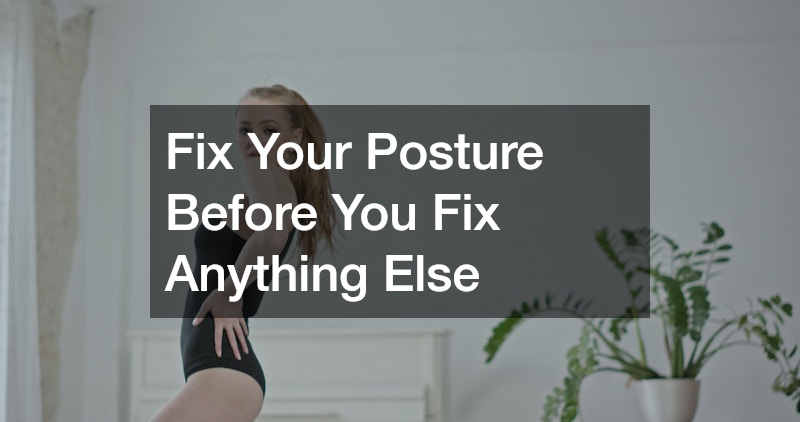
Posture is one of the fastest signals of confidence, and it’s also one of the easiest habits to let slip during long hours at a desk or on a phone. Slouched shoulders and a dropped chin don’t just look less confident to others, they physically change how confident you feel, since your brain reads body position as information about your state. Straightening up is a small physical adjustment with an outsized psychological return.
The habit of poor posture often builds gradually, so correcting it also has to be gradual and consistent rather than a one-time effort. Small environmental changes make the biggest difference over time, especially for people who sit for most of their day.
- Set an hourly reminder to check and reset your shoulder position
- Adjust your screen height so you’re not tilting your head downward
- Stand and stretch every 45 to 60 minutes
- Practice walking into rooms with your chin level rather than lowered
Clean Up the Small Talk You Avoid
Confidence isn’t just internal; it’s practiced in small daily interactions like greeting a neighbor, making eye contact with a cashier, or speaking up in a meeting. Many people quietly avoid these moments, and each avoidance reinforces the belief that social interaction is something to be endured rather than enjoyed. Over time, this becomes a habit loop that feels safer but actually shrinks confidence rather than protecting it.
The fix isn’t to force yourself into overwhelming social situations, but to collect small, low-stakes wins daily. Each tiny interaction you don’t avoid becomes evidence that contradicts the nervous story your brain has been telling you.
- Make eye contact and say a genuine hello to one new person each day
- Ask a follow-up question in conversations instead of letting them end quickly
- Practice ordering or asking questions in public without rehearsing every word first
- Notice that most people are far less focused on you than your anxiety suggests
Extend the Same Care to the Routines Around You
Confidence habits aren’t limited to your own body and behavior; they also show up in how consistently you care for the responsibilities around you, including pets. Letting small routines slip, like brushing your own teeth less often or skipping a pet’s grooming needs, tends to reflect and reinforce a broader pattern of self-neglect. Consistency in these smaller responsibilities builds a sense of personal reliability that spills into how you carry yourself.
This is especially true for pet owners, since cat dental care is one of the most commonly overlooked routines despite its impact on a pet’s comfort and long-term health. Staying on top of it, along with other small consistent habits, reinforces the same discipline that builds personal confidence: showing up for the small things before they become bigger problems.
- Keep a simple recurring schedule for pet grooming and dental checks
- Notice how consistency in small caretaking tasks affects your own sense of order
- Treat overlooked routines, human or animal, as confidence practice rather than chores
Confidence is rarely rebuilt through one big change; it’s rebuilt through dozens of small, consistent corrections made daily. Start with just one habit from this list, whether it’s fixing your posture, showing your smile, or finally scheduling that overdue appointment. Small, repeated actions compound quickly, and within weeks you may notice you’re carrying yourself differently without even trying.