
That dull ache behind your temples or the tight, tired feeling in your jaw after a long day might not be stress or poor posture at all. For many people, chronic headaches and jaw pain trace back to something far less obvious: teeth that don’t line up the way they should. Understanding this connection can save you years of guessing, painkillers, and frustration. Below, we break down how misaligned teeth affect your jaw and head, and what steps can actually address the root cause.
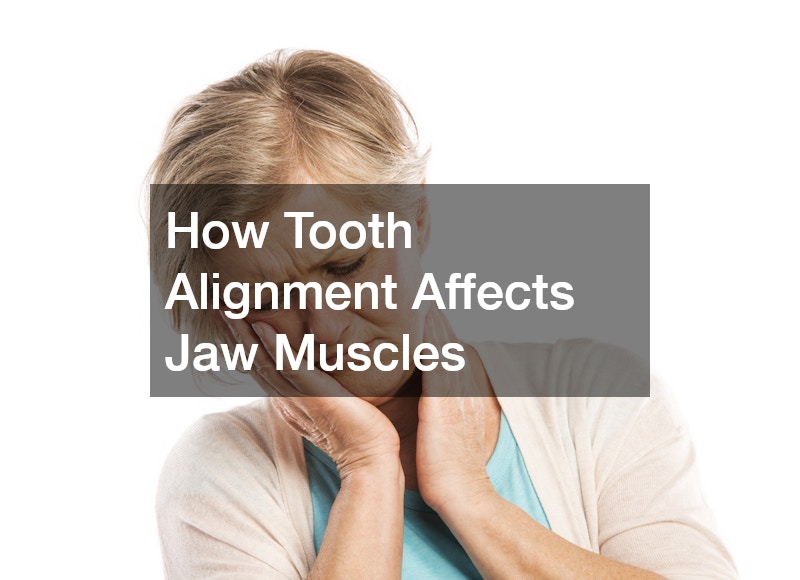
How Tooth Alignment Affects Jaw Muscles
When teeth don’t meet correctly, your jaw muscles have to work overtime to find a comfortable bite position. Dentists call this a malocclusion, and it forces muscles like the masseter and temporalis to shift and overcompensate every time you chew, talk, or even swallow. This constant compensation strains the muscles around your jaw, temples, and even your neck. Over time, that strain can trigger tension headaches that feel unrelated to your mouth at all. Many people describe a dull, band-like ache across the forehead or a throbbing pain behind the eyes, symptoms that often send them to a neurologist before anyone considers their bite.
The connection makes sense anatomically: the trigeminal nerve, which controls jaw movement, also feeds into pain pathways associated with common headache patterns. The severity of the problem often depends on how far the misalignment has progressed. A bite that’s off by even a millimeter or two can cause noticeable muscle fatigue by the end of the day, while more significant misalignments may lead to chronic clenching or teeth grinding, known as bruxism, especially during sleep. Left unaddressed, this cycle of overuse can extend to jaw popping, clicking, or limited range of motion when opening the mouth wide.
The temporomandibular joint, which connects your jawbone to your skull, is especially sensitive to these imbalances. A bite that’s even slightly off can force this joint into an unnatural position every time you chew, talk, or clench your teeth during sleep. That repeated stress is often the hidden trigger behind recurring headaches that don’t respond to typical remedies. When teeth don’t meet evenly, certain muscles have to work overtime to compensate, particularly the masseter and temporalis muscles that control chewing.
These muscles sit close to your temples, so when they’re chronically overworked, the tension often radiates upward and presents as a tension headache rather than jaw pain. This is one reason people can struggle for months, or even years, to trace their headaches back to a dental cause. The problem tends to compound at night. Many people with misaligned bites unconsciously clench or grind their teeth during sleep, a condition called bruxism, which can multiply the force on the jaw joint several times over normal biting pressure. Waking up with a sore jaw, tight temples, or a dull morning headache is a common pattern among those with this issue.
Over time, this cycle of strain can also lead to clicking, popping, or a limited range of motion when opening the mouth, signs that the joint itself is becoming inflamed or displaced. Left unaddressed, what starts as minor muscle fatigue can progress into a more chronic TMJ disorder that’s harder to treat.
Common Signs Your Bite Is Contributing to Head Pain
Many people live with jaw-related headaches for years without connecting the dots. The symptoms can mimic tension headaches, sinus pressure, or even migraines, which is why the underlying cause so often gets missed. Paying attention to a few specific patterns can help you figure out whether your bite is playing a role.
- Headaches that are worse in the morning, suggesting nighttime teeth grinding or clenching
- Clicking, popping, or locking sensations in the jaw joint
- Soreness in the jaw, cheeks, or temples after eating or talking
- Pain that seems to radiate from the jaw upward into the ears or scalp
- Uneven wear on your teeth or a bite that feels different from one side to the other
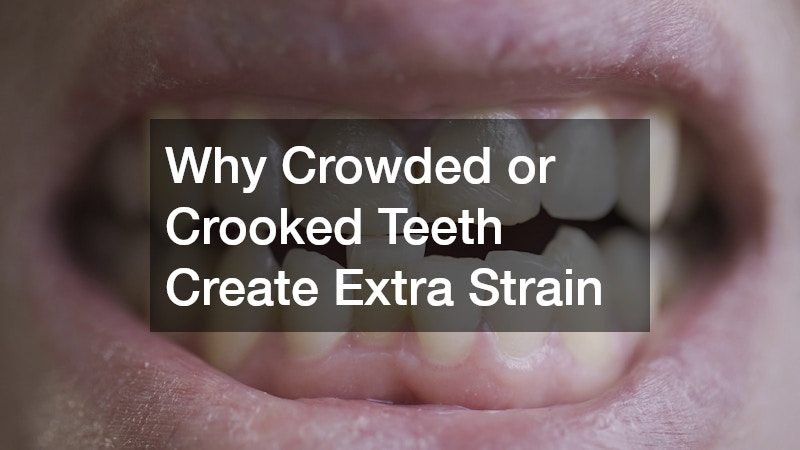
Why Crowded or Crooked Teeth Create Extra Strain
Crowded, rotated, or gapped teeth change the way upper and lower jaws come together. Instead of distributing chewing force evenly across all your teeth, a misaligned bite concentrates pressure on just a few contact points. This uneven load doesn’t just wear down enamel faster; it also forces the jaw muscles into awkward positions to compensate.
This is one of the main reasons orthodontists look beyond cosmetics when evaluating a patient’s teeth. A thorough exam considers how the upper and lower arches interact during normal movement, not just how straight the teeth appear. Identifying these functional issues early can prevent years of unnecessary muscle strain and head pain down the road.
Treatment Options That Address the Root Cause
Fixing the underlying alignment problem is usually more effective long term than simply managing symptoms with medication or muscle relaxants. Depending on the severity of the misalignment, treatment can range from simple adjustments to more comprehensive correction over months or years. The goal is always the same: create a bite where the jaw can rest and function without constant compensation.
Dental braces remain one of the most reliable ways to gradually shift teeth into a healthier position, relieving the uneven forces that contribute to jaw tension. As teeth move into proper alignment, many patients notice their jaw muscles relax and headache frequency decrease. This process takes patience, but the payoff is a bite that supports your jaw instead of fighting against it.
- Traditional metal braces for significant alignment corrections
- Clear aligner systems for milder cases or older teens and adults
- Custom nightguards to reduce clenching-related strain during treatment
- Bite adjustments performed alongside alignment correction
When Missing or Damaged Teeth Are Part of the Problem
Misalignment isn’t always about crowding or crookedness; sometimes it starts with missing teeth that allow neighboring teeth to shift out of position over time. When a gap goes unaddressed, the surrounding teeth can drift, tilt, or overextend, throwing off the entire bite. This gradual shift can quietly create the same jaw strain and headache patterns seen in naturally crooked teeth.
In these cases, implant dentistry offers a way to replace the missing tooth and stop the surrounding teeth from continuing to migrate. Restoring a stable, properly positioned tooth helps maintain even bite forces across the jaw, which reduces unnecessary strain on the surrounding muscles and joints. Combined with alignment treatment when needed, this approach can address both the gap and the mechanical imbalance it caused.
Jaw pain and headaches rarely improve on their own when a misaligned bite is the underlying cause. Recognizing the connection is the first step toward real relief, rather than continuing to treat symptoms without addressing why they keep coming back. If your headaches or jaw discomfort have been a recurring mystery, it’s worth having your bite professionally evaluated to see if alignment is the missing piece. Taking that step now could mean fewer headaches and a more comfortable jaw for years to come.