
The exterior of your home provides the very first impression for visitors, neighbors, and potential buyers. Curating a high-impact exterior is not merely about aesthetic vanity; it is a strategic investment that preserves structural integrity, enhances functional outdoor living space, and significantly boosts overall market value. From the immediate visual anchor of your front entrance to the private sanctuary of your backyard, thoughtfully planned exterior improvements transform how your property is experienced.
Executing a successful exterior overhaul requires balancing structural durability with elevated design. Failing to address foundational elements—such as weathered masonry, overgrown tree canopies, or outdated shading—can undercut even the most luxurious hardscape additions. By systematically evaluating each zone of your property, you can make targeted improvements that deliver both immediate enjoyment and long-term financial returns.
Refreshing Exterior Surfaces and Enhancing Architectural Entrances

The facade of your home dictates its visual character. Over time, exposure to rain, ultraviolet radiation, and temperature fluctuations degrades exterior finishes, making siding look dull and masonry appear weathered. Restoring these primary surfaces instantly sharpens your home’s silhouette and establishes a clean, modern aesthetic.
Applying High-Performance Exterior Coatings and Trim Accents
A fresh application of high-grade exterior paint is one of the most cost-effective ways to modernize a home. Beyond aesthetics, modern exterior coatings act as a protective barrier against moisture intrusion, wood rot, and pest damage.
-
Pressure-wash all siding, fascia boards, and brick thoroughly to remove surface chalking, dirt, and mildew prior to applying primer.
-
Select high-contrast accent colors for front doors, window shutters, and garage trim to create striking visual focal points.
-
Utilize elastomeric masonry coatings on brick or stucco surfaces to seal hairline cracks and prevent water penetration.
-
Choose 100% acrylic latex paints for wood or fiber-cement siding to allow natural moisture breathability without peeling.
-
Inspect and replace dried or cracked caulk around window frames and door casings before painting to eliminate drafts and water leaks.
Partnering with an experienced painting company ensures proper surface preparation, crisp lines between trim and siding, and a durable finish that resists fading for years.
Incorporating Natural Masonry Elements and Structural Veneers
Integrating stone accents into your home’s facade adds weight, texture, and a sense of permanent luxury. From entryway pillars to foundation skirts, natural masonry elements ground the structure within its natural landscape.
-
Install manufactured or natural stone veneer panels along low foundation walls to hide bare concrete.
-
Replace worn concrete lead walks with hand-laid flagstone or natural slate pavers to craft an inviting front path.
-
Apply protective clear sealers to exterior stone surfaces to repel oil, prevent water staining, and guard against freeze-thaw damage.
-
Sweep polymeric sand into stone paver joints to lock stones in place and stop weed growth between path stones.
-
Add stone caps to brick pillars or retaining walls to shed water efficiently and protect underlying mortar joints.
Working with specialists skilled in stone installation ensures that heavy masonry elements are anchored with proper structural ties and backed by effective moisture drainage barriers.
Managing Tree Health and Protecting Exterior Property Infrastructure
A lush, green landscape enhances curb appeal, but unmanaged trees and hidden structural pests present serious risks to your home’s exterior features. Proactive landscape maintenance keeps large shade trees healthy while insulating wooden structures against quiet destruction.
Pruning Large Tree Canopies for Safety, Airflow, and Curb Visibility
Mature trees add undeniable charm and shade to a property, but overgrown branches can obscure architectural details, block natural light, and drop heavy limbs during severe weather.
-
Thin dense upper tree canopies to allow natural sunlight to reach underlying lawn grass and flower beds.
-
Prune lower limbs back from driveways, walkways, and rooflines to maintain clear clearance for vehicles and pedestrians.
-
Remove dead, dying, or diseased branches immediately to prevent structural wood decay and minimize storm hazards.
-
Maintain a minimum ten-foot buffer between mature tree limbs and home rooflines to keep squirrels and raccoons off your roof.
-
Inspect root structures near paved driveways and stone walkways to prevent root expansion from buckling hardscapes.
Consulting a certified arborist allows you to evaluate tree health, preserve valuable historical specimens, and prune dense canopies safely without harming tree longevity.
Establishing Barrier Treatments and Shielding Wooden Exterior Features
Wooden porches, decks, trim, and structural framing add warmth to a home’s exterior, but they are constantly targeted by moisture-seeking pests. Protecting these investments requires constant vigilance and professional preventative treatments.
-
Maintain a clear six-inch clearance between garden soil and wooden exterior siding to deter subterranean termites.
-
Inspect porch footings, fence posts, and deck joists annually for signs of mud tubes, rot, or carpenter ant activity.
-
Eliminate standing water around house foundations by regrading soil away from structural walls and extending downspout drains.
-
Apply penetrating wood sealers to exterior timber features to block moisture absorption and suppress fungal decay.
-
Schedule routine perimeter inspections to catch wood-destroying insect activity before structural damage occurs.
Contracting reputable pest control companies ensures your property receives targeted soil barrier treatments, protective inspections, and long-term defense against wood-destroying organisms.
Defining Boundaries and Enhancing Front-Yard Hardscapes
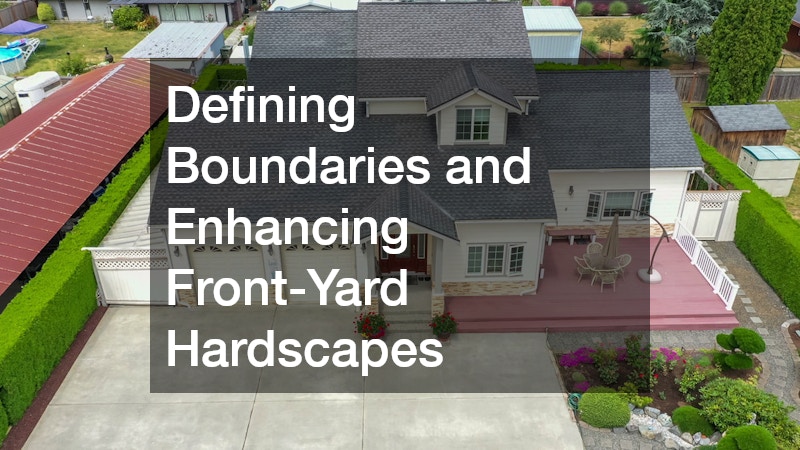
Clear boundaries organize a property visually while establishing privacy and safety. Combining decorative perimeter fencing with structured entry paths creates a polished, estate-like feel right from the street edge.
Selecting Decorative and Functional Perimeter Fencing
Fencing serves both practical and aesthetic roles. The right fence design complements your home’s architectural style while marking property boundaries and keeping pets or children safely contained.
-
Choose powder-coated aluminum fencing to achieve the classic look of wrought iron without the ongoing burden of rust maintenance.
-
Verify local zoning setback regulations, utility locations, and property lines before excavating post holes.
-
Install self-closing, self-latching gate hardware on all entry points to meet local safety requirements.
-
Match fence colors to existing window trim, rooflines, or entry gates to unify your property’s overall color scheme.
-
Set structural fence posts deep in poured concrete footings below regional frost lines to eliminate post leaning.
Hiring licensed fencing companies guarantees that post lines are set straight, panels follow ground contours smoothly, and structural barriers withstand strong winds.
Designing Welcoming Entrance Walkways and Terraced Planters
The journey from the driveway or sidewalk to the front door should feel intuitive, safe, and visually engaging. Thoughtful hardscape transitions elevate the simple act of walking up to your home.
-
Lay out front walkways with wide, sweeping curves rather than narrow straight lines to create a relaxed entry experience.
-
Install low-voltage LED landscape lighting along path edges and step risers to ensure safe nighttime navigation.
-
Build terraced masonry planter beds on sloped front yards to control soil erosion and display layered seasonal flowers.
-
Use contrasting border pavers along walkway edges to frame paths and highlight landscaping borders.
-
Position broad, deep landing steps at the front porch entrance to provide an expansive, welcoming feel.
Upgrading Rear and Side-Yard Entertaining Areas for Maximum Appeal
While front yards capture initial street attention, backyards are where lifestyle and property value truly intersect. Transforming a simple lawn into a luxury outdoor entertaining space creates a private haven that dramatically expands your living area.
Building Custom Exterior Kitchen Islands and Culinary Hubs
An outdoor kitchen elevates backyard hosting, allowing the chef to prepare meals while remaining fully engaged with family and guests. These hubs range from compact grill islands to full culinary suites.
-
Position outdoor cooking islands downwind from primary patio seating so grill smoke drifts away from dining guests.
-
Select 304-grade stainless steel for all built-in grills, storage drawers, access doors, and outdoor refrigeration units.
-
Install GFCI-protected electrical outlets along counter backsplashes to safely power small appliances and task lights.
-
Integrate gas lines, sinks, and trash drawers directly into island frames to create an all-in-one preparation zone.
-
Incorporate task lighting directly over prep counter spaces and grill surfaces for effortless evening cooking.
Collaborating with an experienced outdoor kitchen contractor ensures that gas lines, electrical circuits, and plumbing systems are safely integrated into weatherproof structural counter frames.
Incorporating Elegant and Durable Stone Counter Surfaces
Countertops in outdoor kitchens face intense thermal stress, direct UV exposure, and constant weather changes. Choosing high-end stone slabs guarantees long-term durability without sacrificing luxury.
-
Select dense, UV-stable stone slabs that resist fading, cracking, and moisture absorption when exposed to summer heat.
-
Apply specialized penetrating stone sealers regularly to prevent food, grease, and wine stains from penetrating natural stone pores.
-
Choose honed or matte counter finishes over high-gloss polish to hide minor outdoor weathering and solar glare.
-
Ease countertop edges with smooth, rounded profiles to prevent chipping from heavy cast-iron cookware.
-
Ensure underlying island framing is structurally reinforced to support the substantial weight of heavy stone slabs.
Selecting high-end marble countertops for covered outdoor bars or summer kitchens brings refined indoor elegance into your backyard entertaining space.
Creating Adaptable Shade Structures and Microclimates
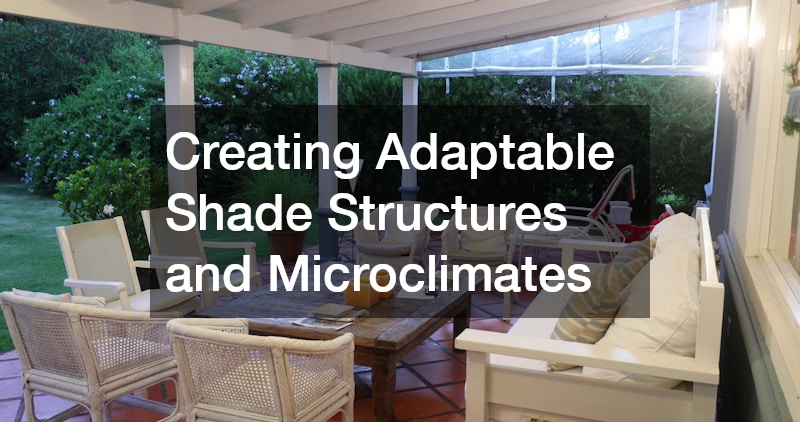
Outdoor spaces are only useful if they remain comfortable during peak summer heat or light rainfall. Installing flexible shade systems allows you to control sun exposure, regulate temperatures, and extend your outdoor living season.
Installing Motorized Louvered Pergolas for All-Weather Control
Louvered shade structures represent the peak of modern patio engineering. Featuring adjustable overhead slats, these systems allow homeowners to dial in exact levels of sunlight or seal out rain entirely.
-
Choose heavy-duty extruded aluminum framing equipped with internal gutter channels to direct rainwater away from patio furniture.
-
Orient louver blades to capture prevailing breezes while blocking harsh, direct mid-day sun angles.
-
Integrate motorized remote controls or smart home apps to adjust shade angles automatically based on weather patterns.
-
Add integrated LED strip lighting into louver support beams to illuminate the patio after sunset.
-
Install side-mounted drop screens within pergola frames to block low evening sun glare and keep insects out.
Installing modern louvered pergolas over outdoor dining or lounge zones delivers an adaptable microclimate that changes at the press of a button.
Mounting Retractable Fabric Shades for On-Demand Glare Defense
For decks and patios where permanent overhead posts might block sightlines, wall-mounted retractable fabric awnings offer flexible shade that extends or tucks away in seconds.
-
Select solution-dyed acrylic canopy fabrics rated for high UV defense to eliminate color fading and fabric rot.
-
Equip retractable shade frames with automatic wind sensors that trigger self-retraction during sudden gusts to prevent arm damage.
-
Position awnings over west-facing patio doors to shade indoor living rooms, lowering summer home cooling costs.
-
Choose pitch-adjustable awning arms so you can alter canopy slope to block low afternoon sun angles.
-
Ensure structural awning brackets are anchored directly into solid wall studs or header beams to support extension loads.
Scheduling a professional retractable awning installation provides instant shade coverage on demand while preserving unobstructed view corridors when retracted.
Adding Luxury Water Features and Aquatic Enhancements
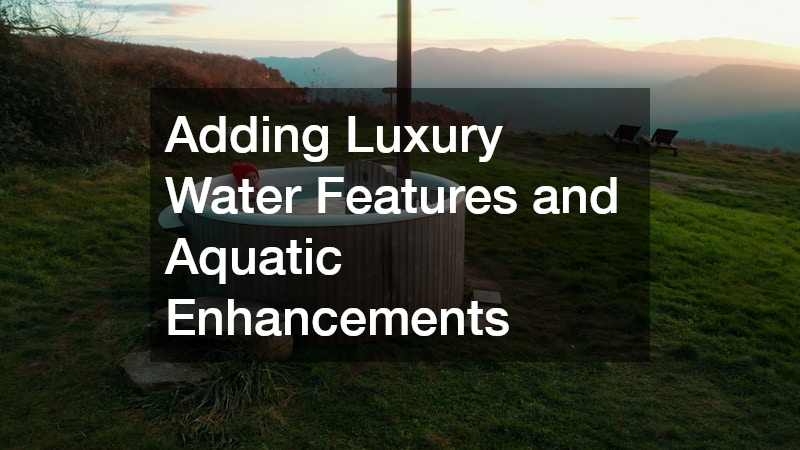
Water elements bring movement, sound, and a resort-like atmosphere to residential properties. Whether installing a tranquil waterfall or a sprawling backyard swimming pool, aquatic features serve as the ultimate exterior upgrade.
Designing Resort-Style Backyard Pools and Integrated Water Features
A custom pool completely redefines a backyard, turning an open yard into a private summer destination. Modern pool designs emphasize clean architectural lines, energy efficiency, and seamless deck integrations.
-
Incorporate shallow sun shelves with umbrella sleeves to create dedicated zones for loungers and young children.
-
Install water cascades, sheer descents, or bubblers to create soothing ambient background noise that masks neighborhood noise.
-
Select energy-efficient variable-speed filtration pumps to keep water crystal clear while drastically reducing monthly power bills.
-
Add automated color-changing LED pool lights to illuminate water features and transform your yard’s evening atmosphere.
-
Position pool equipment pads behind privacy screens away from main entertainment decks to suppress mechanical noise.
Partnering with reputable swimming pool contractors allows you to design custom pool shapes, select premium interior finishes, and integrate high-end filtration systems built to last.
Integrating Poolside Decking and Landscape Integration
The space surrounding a pool is just as important as the water basin itself. Thoughtful coping choices, cool deck surfaces, and surrounding greenery bring the entire aquatic zone together into a cohesive retreat.
-
Select light-colored, heat-reflective pavers or smooth concrete coping around pool rims to keep foot surfaces cool under hot sun.
-
Plant non-shedding, broad-leaf perennials around pool perimeters to minimize falling leaves in water skimmer baskets.
-
Install non-slip surface textures along main pool pathways to prevent slips and falls when surfaces get wet.
-
Integrate self-closing perimeter safety gates directly into surrounding landscape beds to keep pool areas secure.
-
Create distinct lounging areas set back from pool edges to allow sunbathing away from active splash zones.
Maximizing your property’s curb appeal is a rewarding journey that blends art, engineering, and landscape design. By addressing every dimension of your exterior—from front-entrance painting and structural stone features to mature tree care, modern shade control, and luxury aquatic installations—you create a cohesive home environment that stands out in any market. Investing in high-quality materials, proactive maintenance, and skilled craftsmanship ensures your home remains beautiful, functional, and valuable for decades to come.