Mixing old and new is one of the easiest ways to make an outfit feel personal instead of store-bought. A single heirloom brooch or a well-worn leather belt can transform a plain sweater and jeans into something with real character. But blending decades of style without looking like a costume takes a bit of strategy. This guide breaks down practical ways to bring vintage pieces into a modern wardrobe so they feel intentional, not accidental.
Choosing Your First Vintage Statement Piece
Starting small makes the whole process less intimidating and easier to get right. A single standout item, like a patterned scarf or a structured blazer, gives you room to experiment without overhauling your entire closet. Look for pieces with clean lines or bold prints from decades like the 1960s or 1970s, since these tend to pair well with contemporary basics. The goal is to pick something that feels distinct enough to notice but versatile enough to wear more than once a month.
- Start with accessories like belts, scarves, or hats before committing to full garments
- Choose pieces in neutral or classic colors if you are unsure how to style them
- Check for quality construction, since older garments were often made to last
- Try one vintage item with an otherwise all-modern outfit first
Building Outfits Around Contrasting Eras
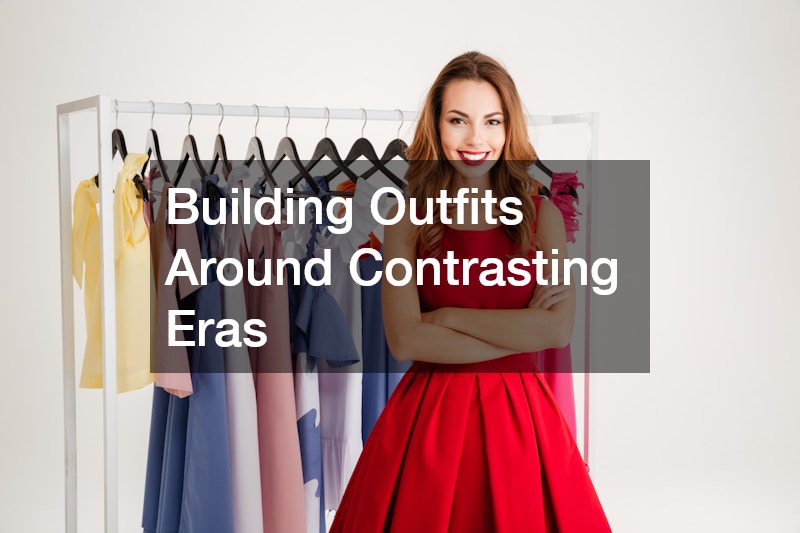
The trick to layering vintage pieces is contrast, not matching. Pairing a decades-old cardigan with a sleek modern silhouette, like straight-leg trousers or a simple slip dress, keeps the look from feeling like a themed costume. The goal is to let two eras coexist in a way that feels intentional, not accidental, so each piece reads as a deliberate choice rather than a leftover from a closet cleanout. Think of vintage pieces as seasoning rather than the whole meal; they should punctuate an outfit, not dominate it. A 1970s printed blouse tucked into high-waisted modern denim works because the denim resets the silhouette into something current. Swap that same blouse under a boxy 1990s blazer, though, and the whole look can tip into costume territory, since nothing in the outfit anchors it to the present. When in doubt, balance one statement vintage item with two or three simple modern basics so the eye has a clear focal point. A general rule of thumb: if the vintage piece has a strong pattern, unusual cut, or dated detailing (think puffed sleeves, shoulder pads, or a bold print), everything else should be solid-colored and minimally structured. This ratio, roughly one vintage anchor to two or three modern supporting pieces, keeps the outfit readable at a glance instead of looking like a grab bag of decades. It also helps to consider silhouette proportion when mixing eras. Oversized vintage outerwear reads best against slim modern layers underneath, while a fitted vintage top pairs well with wider-leg modern trousers. Matching volume to volume, like a voluminous vintage blouse with equally voluminous trousers, tends to overwhelm the frame and blur the contrast that made the outfit interesting in the first place.
Texture and proportion matter just as much as the decade a piece came from. A boxy vintage jacket looks fresh over a fitted turtleneck, while a flowing vintage skirt pairs nicely with a cropped, structured top. The rule of thumb: if one piece is loose, balance it with something fitted, and if one piece is heavily textured (tweed, corduroy, brocade), let its partner be smooth and simple. Contrast works best when it happens on one axis at a time. Pair a 1970s wide-leg trouser with a plain modern tee rather than adding a busy printed blouse and a chunky belt in the same look. That way the eye registers “old meets new” instead of trying to process five different decisions at once. Avoid stacking too many eras at once, since three or more competing silhouettes can read as cluttered rather than curated. A 1960s shift dress, an 1980s power-shoulder blazer, and a pair of 2020s chunky trainers might each be great individually, but together they compete for attention rather than complement each other. Keep one era as the anchor and let the rest of the outfit support it quietly. A simple test: if someone glances at you for three seconds, they should be able to identify one clear “statement” piece, not scan the outfit trying to figure out what decade they’re looking at.
Sourcing Pieces You Can Trust
Finding vintage clothing and accessories that are actually in good condition takes a little patience, whether you are shopping online, at estate sales, or in person. Reputable jewelry stores that carry curated vintage or estate collections are often a safer bet than random online marketplaces, since staff can usually speak to a piece’s age, materials, and condition. This matters especially for items like rings, brooches, and watches, where clasps, prongs, and hinges need to be functional, not just decorative. Taking the time to inspect seams, buttons, and hardware before buying saves headaches later.
- Ask sellers about the decade, material, and any repairs made to the piece
- Inspect zippers, clasps, and seams closely before purchasing
- Smell test fabric for mustiness that may indicate storage damage
- Compare prices across a few sources to understand fair market value
Mixing Old Jewelry With Everyday Accessories
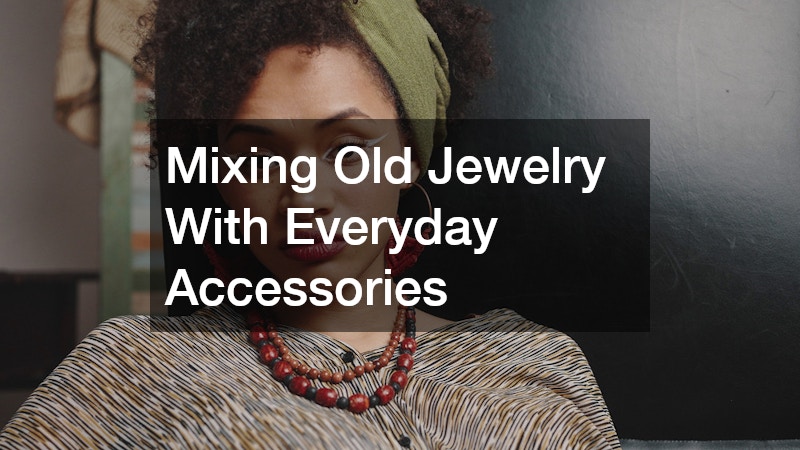
Jewelry is one of the simplest ways to layer decades without touching your clothing at all. A piece of antique jewelry, like a Victorian-era locket or an Art Deco cocktail ring, can sit comfortably next to a plain gold chain or a modern watch without looking out of place. The key is letting one older piece anchor the look while everything else stays understated. A good rule of thumb is to limit yourself to one or two statement vintage pieces per outfit, then build around them with simple, low-profile accessories. If your anchor piece is an ornate brooch or a chunky Deco bracelet, pair it with thin stacking rings or a delicate pendant rather than another bold item. This keeps the eye moving to the antique piece instead of splitting attention across too many focal points. Metals matter here too. Mixing warm-toned gold heirlooms with cool silver modern pieces can look intentional if you commit to it, but wearing both inconsistently across an outfit tends to read as accidental. Many stylists suggest picking a dominant metal tone for the day and letting the secondary metal appear only in small doses, like an earring backing or a watch clasp. This approach also protects delicate heirloom items from being overshadowed by too much competing jewelry. It has a practical benefit as well: fewer pieces in rotation means less daily wear on fragile clasps, thin chains, or old prongs, which extends the life of jewelry that often can’t be easily replaced or repaired.
Layering necklaces of different lengths and eras is an easy trick that works for almost any neckline. Start with a short modern chain sitting close to the collarbone, around 14 to 16 inches, then add a longer vintage pendant or medallion at 20 inches or more beneath it for depth. A third piece in between, like a delicate 18-inch chain, can bridge the gap and keep the layers from looking sparse or accidental. Mixing metals is generally fine as long as one tone dominates the overall look, so the pairing feels deliberate rather than mismatched. A good rule of thumb is roughly 70/30: let gold or silver lead, and use the other metal sparingly in a clasp, charm, or single accent piece. Vintage brass or antiqued gold also pairs surprisingly well with modern silver if you tie them together with a repeated shape or texture, like matching beads or similar-sized links. Beyond necklaces, the same layering logic applies to rings and bracelets. Stack a slim modern band with a vintage signet or cocktail ring, keeping one hand simpler than the other so the look doesn’t compete with itself. When in doubt, anchor the whole ensemble with one statement vintage piece and let everything else play a supporting role.
Caring for and Repairing Older Garments and Accessories
Vintage pieces often need a bit more upkeep than something bought last season, simply because of their age. Fabrics can be more delicate, buttons harder to replace, and clasps more prone to wear. Taking preventative steps, like storing items away from direct sunlight and handling jewelry with clean, dry hands, helps preserve both the look and value of these pieces for years to come.
- Store delicate fabrics folded flat rather than hung, to avoid stretching
- Use acid-free tissue paper for long-term storage of textiles
- Have loose stones or clasps checked and tightened periodically
- Avoid perfume or lotion contact with metal jewelry to prevent tarnishing
Personalizing Pieces to Fit Your Modern Style
Sometimes a vintage find is almost perfect but needs a small update to feel wearable today, whether that is shortening a hem, resetting a stone, or adding a modern clasp to an old necklace. Working with a jeweler who offers custom jewelry services can help bridge that gap, letting you preserve the sentimental or historic value of a piece while making it functional for daily wear. This might mean resizing a family ring or combining a vintage pendant with a new chain that better suits your everyday style. The result is a piece that feels like it belongs to both the past and the present.
Layering vintage pieces into a modern wardrobe is less about following strict rules and more about building an eye for what feels balanced. Start small, prioritize quality over quantity, and let a few well-chosen items do the talking in each outfit. With a little care and the right sourcing, vintage pieces can become some of the most meaningful and versatile items you own.