Backyards invite relaxation, but they also concentrate a surprisingly varied mix of allergens and venomous insects in a small space. For the roughly 50 million Americans who experience allergic disease each year, that outdoor sanctuary can become genuinely dangerous under the right conditions. The hazards range from obvious ones — stinging insects, blooming plants — to less recognized triggers like mold colonies hiding under leaf piles or latex-like compounds in certain shrubs.
Understanding which hazards carry the highest risk, and how to respond when exposure occurs, is the difference between a manageable reaction and a medical emergency.
Stinging Insects and the Anatomy of a Severe Reaction
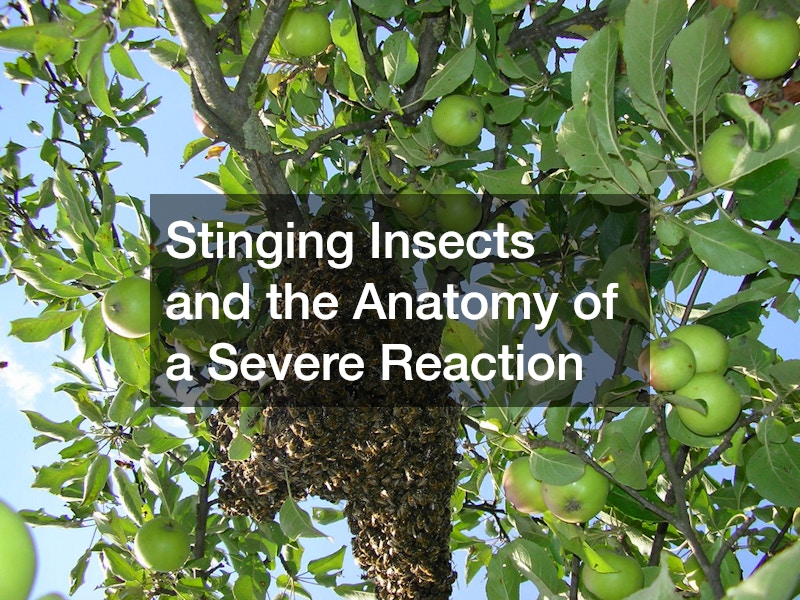
Bees, wasps, yellow jackets, and hornets account for roughly 60 deaths annually in the United States from anaphylaxis — a number that almost certainly undercounts cases misclassified as cardiac events. The venom proteins in these insects differ by species, which matters for diagnosis: someone sensitized to yellow jacket venom may not react to honeybee venom at all, and allergy testing can distinguish between them.
What makes backyard stings particularly dangerous is the concentration of nests near high-traffic areas. Yellow jackets build underground nests that go undetected until a lawnmower or foot traffic disturbs them, triggering mass stings. A single sting causes a local reaction in most people — redness, swelling, pain within a two-inch radius — but a systemic reaction involving hives, throat tightening, or a drop in blood pressure signals anaphylaxis and requires epinephrine within minutes.
For anyone with a known venom allergy, the management decision comes down to two clear tracks. Carrying prescribed epinephrine auto-injectors (two doses, since a second injection is sometimes needed before emergency services arrive) is non-negotiable. The second track is professional bee removal for established nests — attempting to eliminate a yellow jacket or hornet colony without protective equipment is exactly how high-sting-count incidents happen, and the risk is compounded when an allergic person is anywhere nearby.
Plants That Cause Contact and Respiratory Reactions
Plant allergens work through two distinct mechanisms, and confusing them leads to poor prevention. Airborne pollen causes respiratory reactions — sneezing, congestion, itchy eyes — without any skin contact. Contact allergens require touching the plant and cause localized or spreading dermatitis, occasionally severe enough to require oral corticosteroids.
Poison ivy, oak, and sumac are the most medically significant contact allergens in North American backyards. The urushiol oil responsible for the reaction can linger on garden tools, gloves, and pet fur for months, meaning a reaction in January can trace back to a garden cleanup in October. The reaction typically appears 12 to 72 hours after exposure, which makes the source easy to misidentify.
On the respiratory side, ragweed is the dominant late-summer offender, but several ornamental plants commonly used in landscaping — including privet hedges and certain ornamental grasses — release pollen that triggers significant reactions. The relevant comparison for homeowners is between reactive management (antihistamines and decongestants during peak season) and proactive landscaping changes. Replacing high-pollen male cultivars of landscape trees with low-pollen or sterile alternatives can reduce airborne load meaningfully over multiple seasons. The American Academy of Allergy, Asthma and Immunology notes that plant selection is an underutilized tool in managing environmental allergic disease.
- Remove or replace known urushiol-producing plants by cutting them at the soil line in late fall when oil concentration is lower, and dispose of all material in sealed bags rather than composting.
- Replace wind-pollinating ornamental grasses within 30 feet of windows and doors with insect-pollinated alternatives, which release far less airborne pollen.
- Wash garden gloves and tools with dish soap (which breaks down urushiol’s oily structure) after any yard work involving unknown plant material.
Mold, Decaying Organic Matter, and the Hidden Trigger Season
Most people associate outdoor mold allergies with damp climates, but spore counts spike in any backyard after rainfall, during leaf decomposition in fall, and around compost bins year-round. Alternaria and Cladosporium are the two genera most commonly linked to outdoor allergic disease, and both thrive in the layer of decomposing organic material that accumulates under hedges, along fence lines, and in garden beds left uncleared at season’s end.
The symptom overlap between mold allergy and pollen allergy causes frequent mismanagement. Someone who treats a late-September reaction with antihistamines, assuming ragweed season is the culprit, may actually be responding to Alternaria, which peaks during dry, windy periods following wet weather. An allergist can use skin prick or specific IgE blood testing to distinguish them, and the distinction changes both the timing of preventive medication and which environmental controls are most useful.
The preventive versus reactive comparison is worth making explicit here. Reactive management — taking medication when symptoms appear — works reasonably well for mild-to-moderate pollen allergy but performs poorly against mold, because spore exposure can happen in unpredictable bursts. Proactive steps like turning compost piles away from the house, removing leaf litter within two weeks of accumulation, and replacing wood chip mulch (a major mold substrate) with gravel or rubber mulch near the home’s foundation reduce the baseline exposure that drives chronic sensitization.
- Check outdoor mold spore counts using a local air quality index before planning extended yard work on windy days following rain.
- Replace wood chip mulch within 6 feet of the home’s foundation with inorganic alternatives such as gravel or stone, which do not support mold colonies.
- Wear an N95 respirator when handling compost or turning leaf piles if mold allergy has been confirmed by testing.
Latex-Containing Plants and Cross-Reactive Food Allergies
One backyard allergen category that consistently surprises people is the group of plants that produce latex-like sap — euphorbias, figs, and certain ornamental varieties of rubber-producing species are common in home gardens. For the estimated 1-6% of the general population with latex allergy, contact with sap from these plants can trigger the same reaction as medical-grade latex exposure: localized hives, eye swelling, and, in sensitized individuals, anaphylaxis.
The cross-reactivity dimension adds complexity. Latex allergy frequently cross-reacts with certain foods — avocado, banana, kiwi, and chestnut are the most clinically significant — through shared protein structures. A gardener who handles euphorbia sap while harvesting tomatoes with the same gloves may not recognize that the oral tingling they experience afterward is a latex-food cross-reaction rather than a food intolerance.
The management comparison for latex-reactive individuals comes down to plant substitution versus personal protective equipment. Removing latex-producing ornamentals entirely is the safer long-term choice for anyone with confirmed latex allergy. For someone who is latex-sensitive but not severely allergic, double-layered nitrile gloves (never natural rubber latex gloves, which would worsen exposure) provide a reasonable protective barrier for occasional contact.
- Identify euphorbia and fig species already in the garden by their milky white sap, visible at any cut or broken stem.
- Anyone with a latex allergy diagnosis should inform household members, since sap transfer via shared tools is a realistic exposure pathway.
- If cross-reactive food symptoms appear within 30 minutes of yard work involving plant sap, request latex-specific IgE testing rather than a standard food allergy panel.
When to Act Before Symptoms Start
Backyard allergen management rewards a seasonal mindset. The window between mid-winter and early spring — before insects become active and before pollen counts climb — is the most efficient time to audit a yard for nest sites, remove problem plants, and restructure beds to reduce mold substrate. That timing advantage disappears quickly once the season starts.
The most consequential step for anyone with a known severe allergy is confirming that their emergency plan is current: epinephrine auto-injectors have expiration dates, and those dates matter. An expired injector may still deliver a partial dose, but relying on that is an unnecessary gamble. Beyond the immediate kit, speaking with an allergist about allergen immunotherapy for insect venom or pollen allergies converts a reactive situation into a genuine long-term reduction in sensitivity — often the most durable outcome any of these interventions can offer.