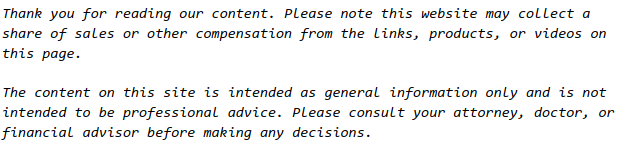
When something feels wrong with your body, your child, or someone you love, the clock starts ticking in a way that makes calm decision-making hard. Not every symptom needs the same response, and knowing which level of care fits your situation can save you time, money, and unnecessary stress. This guide walks through common health scenarios and the treatment paths available, so you can act quickly and confidently instead of guessing in a panic. Whether the issue is sudden and severe or slow-building and chronic, there is a right-sized option waiting for you.
Recognizing When a Symptom Is a True Emergency
Some symptoms leave no room for debate about where to go. Chest pain, difficulty breathing, sudden slurred speech, facial drooping, uncontrolled bleeding, a head injury with confusion, or loss of consciousness are signals that the body is in serious distress and needs immediate, advanced intervention. The same goes for severe allergic reactions with swelling or trouble swallowing, seizures that don’t stop, and signs of stroke like sudden numbness on one side of the body. In these moments, heading to the ER is the right call because hospitals are equipped with imaging, specialists, and life-saving equipment that smaller clinics simply do not have. A CT scan can confirm or rule out a stroke within minutes, and a cardiac catheterization lab can open a blocked artery before permanent heart damage sets in. Urgent care centers and walk-in clinics, by contrast, are built for sprained ankles, minor infections, and low-grade fevers, not conditions that can deteriorate within the hour. Trying to wait it out or drive across town to a familiar provider can cost precious minutes that matter. With conditions like stroke or heart attack, treatment delivered within the first 60 to 90 minutes often makes the difference between full recovery and lasting damage. When in doubt, calling 911 is safer than self-transporting, since paramedics can begin treatment on the way and alert the ER before you even arrive.
It helps to mentally separate “urgent” from “emergency” before you are actually in crisis mode. Emergencies involve a real threat to life, limb, or long-term function, while urgent issues are uncomfortable or concerning but not immediately dangerous. Having this distinction clear ahead of time means you will not freeze when a real emergency happens. A useful mental checklist for true emergencies includes chest pain or pressure, difficulty breathing, sudden confusion or slurred speech, uncontrolled bleeding, a severe allergic reaction, or any loss of consciousness. Symptoms that come on suddenly and severely — rather than building gradually over days — are also more likely to signal something dangerous. If you find yourself wondering whether you should call 911, that hesitation itself is often a clue that the situation deserves immediate attention rather than a wait-and-see approach. Urgent issues, by contrast, tend to be things like a persistent low-grade fever, a sprained ankle, a minor cut that needs stitches, or an ear infection. These are real problems that need care, often within the same day, but they rarely turn fatal if you spend an hour getting to an urgent care clinic instead of an emergency room. Knowing this difference in advance helps you avoid two common mistakes: delaying care for a genuine emergency, or overwhelming an ER with something that could have waited.
- Severe chest pressure or pain radiating to the arm, jaw, or back, especially with shortness of breath or sweating
- Sudden confusion, one-sided weakness or numbness, slurred speech, or a drooping face — call for help immediately, since stroke treatment is most effective within the first few hours
- Heavy bleeding that soaks through bandages or won’t stop after 10 minutes of firm, direct pressure
- Severe allergic reactions involving facial or throat swelling, hives spreading quickly, or difficulty breathing, particularly after a new food, medication, or insect sting
- High fever (over 103°F in adults, or any fever in infants under 3 months) combined with a stiff neck, rash, or extreme lethargy
- Sudden, severe abdominal pain, repeated vomiting, or a seizure that doesn’t stop within a few minutes
- Any injury involving a deep wound, suspected broken bone with visible deformity, or loss of consciousness after a fall or blow to the head
Handling Sudden Childhood Illnesses and Injuries
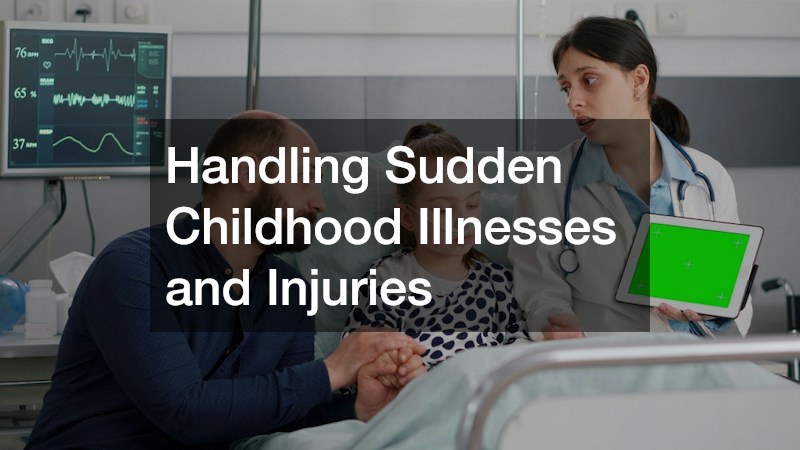
Kids get sick and hurt at inconvenient times, and parents often face a split-second choice about where to take them. For things like a high fever that will not break, a minor fracture, an ear infection with intense pain, or a deep but not life-threatening cut, pediatric urgent care is often the smarter first stop. These clinics are staffed with providers who specialize in treating children and are generally set up to handle younger patients more efficiently, with shorter waits and a calmer environment than a packed hospital waiting room.
Choosing the right setting also affects cost and recovery experience. Pediatric-focused clinics tend to have child-sized equipment, staff trained in comforting anxious kids, and pricing that is typically lower than a hospital for comparable non-life-threatening issues. Parents who scope out pediatric urgent care options before a crisis hits tend to feel far less rattled when something actually happens.
- Fevers above 102 that do not respond to medication
- Suspected simple fractures or sprains
- Minor burns or cuts needing stitches
- Vomiting or diarrhea causing mild dehydration
- Ear, throat, or sinus infections with worsening pain
Weighing Elective Beauty and Wellness Training Paths
Not every treatment decision is about an acute symptom. Sometimes people researching their options are actually exploring a career change into the wellness or beauty industry, drawn by the idea of helping others feel better in their own skin. Esthetician schools offer structured programs covering skincare science, facials, chemical peels, and client consultation skills, giving graduates a legitimate path into spas, dermatology offices, or medical aesthetics practices. For someone who has spent years managing their own skin issues, this route can turn a personal interest into a stable, hands-on profession.
Picking a program is its own kind of research project, similar to picking the right medical provider. Prospective students should look at state licensing requirements, clinical hour requirements, and job placement rates before committing money and time. Programs vary widely in cost, schedule flexibility, and the depth of hands-on training offered, so comparing a handful of options side by side usually pays off.
- Confirm the program meets your state licensing board requirements
- Ask about job placement support after graduation
- Compare tuition against financing or payment plan options
- Look for hands-on clinic hours with real clients, not just theory
- Check reviews from recent graduates about instructor quality
Exploring Nonsurgical Options for Sexual Wellness Concerns
Men dealing with erectile dysfunction or reduced sensitivity sometimes feel stuck between doing nothing and jumping straight to invasive procedures. There is a middle ground worth knowing about. The P-Shot, a treatment using platelet-rich plasma derived from the patient’s own blood, is injected into specific tissue to potentially improve blood flow and function over time. It has gained attention as a nonsurgical option for men who want to address symptoms without committing to surgery or long-term medication.
Like any treatment, it is not a guaranteed fix, and results vary from person to person. Patients considering it should have a thorough conversation with a qualified provider about expected outcomes, the number of sessions typically needed, and realistic timelines for noticing a difference. Checking a provider’s experience level and reading honest patient reviews helps separate credible clinics from those simply chasing trends.
- Ask how many procedures the provider has performed
- Request a clear breakdown of expected results and timeline
- Confirm whether multiple sessions are typically needed
- Discuss any underlying health conditions that could affect outcomes
- Compare pricing across a few reputable local providers
Managing Chronic Pain Without Rushing to Extremes
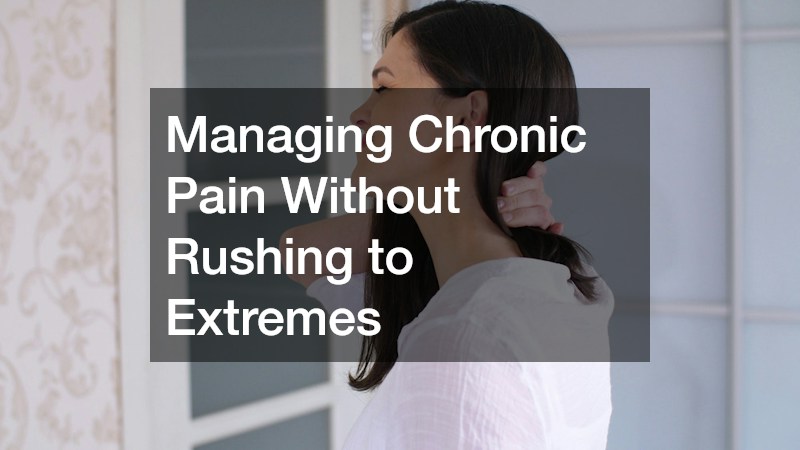
Chronic pain rarely announces itself as an emergency, but it can still feel urgent when it disrupts sleep, work, or mood day after day. The temptation is to either ignore it indefinitely or seek the most aggressive treatment available right away. A better approach usually starts with a stepped plan, beginning with physical therapy, anti-inflammatory strategies, and lifestyle changes before considering injections or surgical consultations.
Tracking patterns can make a real difference in how quickly a provider can help. Writing down when pain flares, what makes it worse, and how it responds to rest or medication gives a doctor much more to work with than a vague description during a short appointment. This kind of preparation often shortens the path to an effective treatment plan.
- Keep a simple pain journal noting triggers and severity
- Try conservative treatments before considering invasive procedures
- Ask about physical therapy as a first-line option
- Request imaging only when symptoms warrant it
- Get a second opinion before any major procedure
Addressing Mental Health Crises and Substance Use Emergencies
Mental health symptoms can escalate quickly, and knowing the right level of care matters just as much as it does for physical health. For someone in active crisis, with thoughts of self-harm or suicide, immediate professional intervention is critical and should never be delayed. For substance use that has become unmanageable or dangerous to stop without medical supervision, inpatient alcohol rehab provides a structured, medically supported environment where withdrawal can be managed safely and recovery can begin with round-the-clock support.
Families often struggle with knowing when outpatient support is enough versus when a higher level of care is necessary. Signs like repeated failed attempts to quit, worsening physical health, or a home environment that makes sobriety nearly impossible usually point toward needing a more intensive, supervised setting. Reaching out to a treatment center directly for an assessment can clarify which option actually fits the situation.
- Repeated failed attempts to stop drinking on your own
- Withdrawal symptoms that have been dangerous in the past
- Lack of a stable, supportive home environment
- Co-occurring mental health conditions needing integrated treatment
- A support system encouraging a structured recovery program
Building a Personal Decision Plan Before You Need It
The best time to figure out your treatment options is before a crisis, not during one. Spend a little time researching the urgent care clinics, specialists, and hospitals near you so you are not searching frantically while symptoms are escalating. Save phone numbers, addresses, and even insurance information in one easy-to-find place, whether that is a note on your phone or a printed sheet on the fridge.
It also helps to loop in family members or close friends on your plan, especially if you have a chronic condition or a child with specific medical needs. Clear communication ahead of time means someone else can step in and make informed decisions if you are not able to. A little preparation now can make an overwhelming moment feel far more manageable later.
- List nearby urgent care and emergency facilities with hours
- Keep an updated medication and allergy list accessible
- Share your plan with a trusted family member or friend
- Store insurance and provider contact info in one place
- Revisit and update your plan at least once a year
Sorting through treatment options does not have to feel like guesswork, even when symptoms show up unannounced. By understanding the differences between emergency, urgent, and ongoing care, you put yourself in a better position to act quickly and wisely. Take some time this week to research the providers and facilities relevant to your own health needs so you are prepared before the next symptom strikes. A little groundwork now means less panic and better outcomes later.