Strange noises in the ceiling, odd smells, or scattered debris in the yard can mean more than an old house settling. Wild animals often see attics as safe, warm shelters to raise their young, and by the time you notice signs, they may have been living there for weeks. Catching the problem early can save you from costly damage and health hazards. This guide walks through the most common warning signs so you know exactly what to look and listen for.
Unusual Noises at Specific Times of Day
One of the earliest clues of an attic invader is sound, and the timing of that sound often reveals what kind of animal you are dealing with. Scratching, scurrying, or thumping that happens at dusk or overnight usually points to nocturnal animals like raccoons or rats, while activity during the day may suggest squirrels. The location of the noise matters too, since sounds near the eaves differ from those coming from the center of the attic.
Pay attention to patterns rather than isolated incidents, since a single noise could be a bird landing on the roof or a branch scraping the shingles. Repeated, consistent sounds over several nights are a stronger indicator of a nesting animal.
- Light scratching or skittering at night suggests rodents
- Heavy thumping or rolling sounds may indicate raccoons
- Chirping or fluttering noises could mean birds or bats
- Gnawing sounds often point to squirrels chewing on wood or wiring
Foul Odors Coming From the Ceiling or Vents
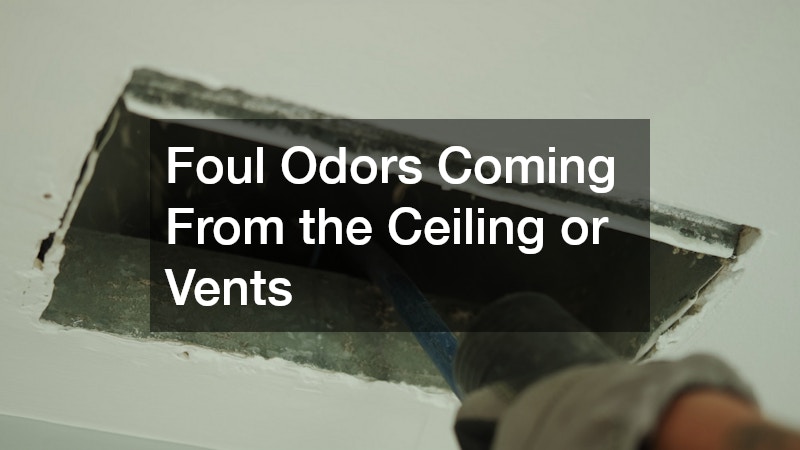
A persistent, unpleasant smell drifting down from the attic is one of the more unmistakable signs of an animal problem. Urine and droppings build up quickly when an animal has established a den, and the odor tends to grow stronger as more waste accumulates over time. In some cases, the smell may be sharper and more chemical-like, which is typical of skunk activity if one has wandered in through a foundation gap and up into the structure.
A sudden foul smell that seems to intensify rather than fade could also mean an animal has died somewhere in the insulation or ductwork. This is not something to ignore, since decomposing remains can affect air quality throughout the house and may require professional attention to locate and remove safely.
Visible Entry Points and Damaged Roofing
Animals rarely tunnel through solid materials, so most attic invasions start with an existing weak point that gets widened over time. Walking the perimeter of your house and looking up at the roofline can reveal gaps around vents, soffits, or fascia boards that have been chewed or pried open. Torn screening on attic vents or displaced roof shingles are also common giveaways that something has been working its way inside.
- Chewed or splintered wood around roof edges
- Gaps where pipes or wires enter the attic
- Bent or missing vent covers
- Loose flashing around chimneys or skylights
- Small holes near the roofline that appear freshly disturbed
Droppings and Stains Found in Storage Areas
If you keep boxes, holiday decorations, or old furniture in your attic, you may spot physical evidence before you ever hear a sound. Droppings scattered across surfaces, dark grease marks along beams, or shredded insulation used for nesting material are all telltale signs of animal activity. The size, shape, and location of droppings can help narrow down the type of animal, though it is often difficult to identify with certainty without training.
Because handling droppings can expose you to bacteria or parasites, it is best to avoid direct contact and instead document what you find with photos before cleaning. This information becomes useful if you decide to bring in a professional for animal removal, since it helps them target their inspection and choose the right approach for safely clearing out the space.
Visible Damage to Insulation and Electrical Wiring
Beyond noise and smell, animals cause plenty of physical destruction that shows up as flattened, torn, or displaced insulation. Nesting animals often pull insulation apart to build dens, which reduces its effectiveness and can lead to higher energy bills. Squirrels and rats are also notorious for gnawing on electrical wiring, which creates a genuine fire hazard if left unaddressed.
Checking your attic every few months, especially before winter, allows you to spot this kind of damage before it becomes severe. If you notice chewed wires or scorch marks near wiring, treat it as an urgent issue rather than something to monitor over time.
- Insulation that looks pressed down in a circular nest shape
- Exposed or frayed wiring
- Chewed wooden beams or joists
- Unexplained increases in heating or cooling costs
Signs of Sick or Trapped Animals Needing Immediate Action
Occasionally an animal in the attic becomes sick, injured, or trapped, and this changes the urgency of the situation considerably. Signs include labored breathing sounds, an animal that seems disoriented when it eventually appears, or a strong odor combined with silence after days of noise, which can indicate the animal has died or is too weak to move. If you or a pet has any direct contact with a wild animal, especially one behaving strangely, contacting veterinarians right away is important to assess exposure risk.
A raccoon or bat behaving erratically during daylight hours can be a red flag for rabies, and this is a situation where speed matters. In cases involving a bite, scratch, or suspected exposure to a pet, emergency vets can provide guidance on next steps and necessary treatment outside of normal business hours. Do not attempt to handle a sick or aggressive animal yourself, since this puts both you and the animal at greater risk.
Recognizing these signs early gives you the best chance of resolving an attic invasion before it leads to expensive repairs or health concerns. Trust your senses, whether it is an odd smell, a strange sound at night, or unexplained damage, and investigate sooner rather than later. Once you confirm an animal has moved in, focus on safely addressing the entry points and cleaning up the affected areas. Acting promptly protects both your home and the well-being of everyone in it.